

Morgan Freeman: Fighting AI Theft and Defying Retirement at 88
Introduction: A Legendary Actor’s Modern Battle
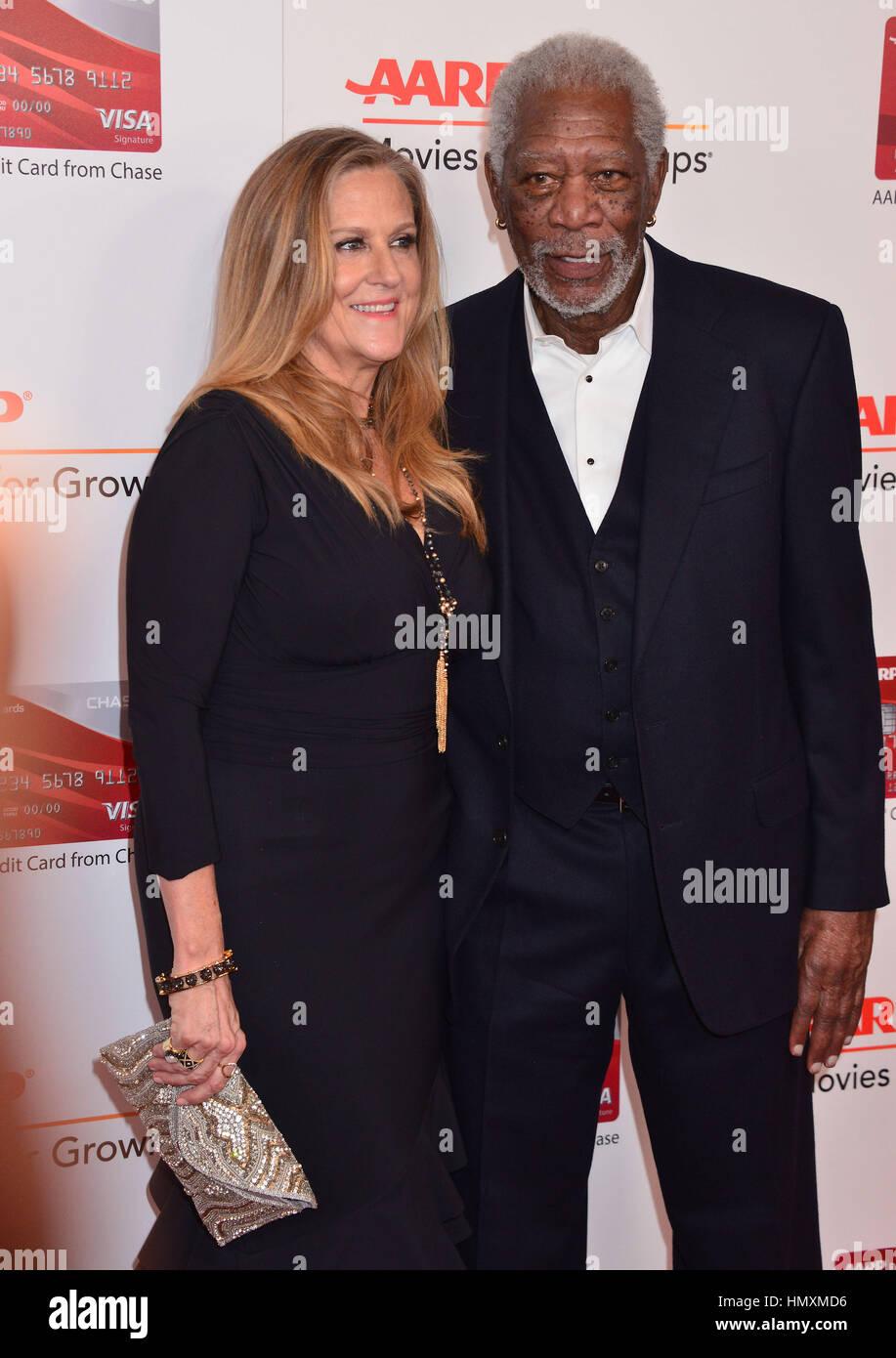
Morgan Freeman, the 88-year-old Oscar-winning actor renowned for his distinctive voice and commanding screen presence, has found himself at the forefront of a contemporary issue facing the entertainment industry. Freeman recently revealed that his lawyers have been ‘very, very busy’ working to remove unauthorised AI recreations of his iconic voice from the internet. This development highlights the growing challenge actors face as artificial intelligence technology advances, whilst simultaneously demonstrating Freeman’s determination to protect his artistic legacy and continue working.
Taking Legal Action Against AI Voice Theft
The Oscar winner shared that his lawyers have been handling ‘quite a few’ cases involving AI recreations of his voice and likeness online, admitting he’s ‘a little PO’d’ about the situation. Freeman’s stance is clear: ‘I’m like any other actor: don’t mimic me with falseness. I don’t appreciate it and I get paid for doing stuff like that, so if you’re gonna do it without me, you’re robbing me’. His legal team’s efforts underscore a broader industry concern about protecting actors’ identities and livelihoods in the age of generative artificial intelligence.
Defying Retirement and Remaining Active
Despite his age, Freeman shows no signs of slowing down. The actor appeared in ‘Now You See Me: Now You Don’t,’ which was his sole release of 2025, marking an unusual year for someone who has been averaging three film releases annually over recent years. Freeman told The Guardian that whilst ‘the idea of retirement would float past’ him, when offered work ‘the whole thing just boils back’, adding ‘The appetite is still there’. Additionally, production is being planned for a 2026 start on ‘The Perfect Wife,’ which Freeman will produce through his company Revelations Entertainment.
Conclusion: Legacy and Industry Impact
Morgan Freeman’s dual battle—protecting his voice from AI exploitation whilst maintaining an active career—represents a pivotal moment in entertainment. His willingness to take legal action sets an important precedent for actors’ rights in the digital age, whilst his continued work ethic inspires performers of all ages. For audiences and industry professionals alike, Freeman’s stance serves as a reminder that talent, experience, and authenticity cannot be replicated by algorithms, and that protecting creative rights remains essential as technology evolves.