

Remembering Bruce Forsyth: A 75-Year Entertainment Career
Introduction
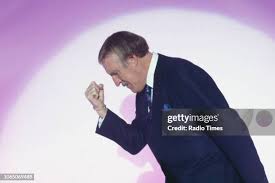
Bruce Forsyth was one of the United Kingdom’s most recognisable entertainers. His long career and ubiquity on British television made him an important figure in popular culture; he is often cited as the UK’s counterpart to American hosts such as Bill Cullen, reflecting the sheer number of presenting roles he undertook. Understanding his achievements helps explain the enduring affection and institutional tributes that followed his death.
Main body
Early life and career span
Bruce Joseph Forsyth-Johnson (22 February 1928 – 18 August 2017) enjoyed a career that spanned over 75 years. He established himself as a versatile performer — dancer, comedian, singer, actor and musician — and rose to national prominence through variety and light entertainment.
Television highlights
Forsyth became nationally recognised as the host of Sunday Night at the London Palladium and fronted numerous television series across decades. Notable credits include The Bruce Forsyth Show (1965–1973), Forsyth’s Big Night (1978), Forsyth’s Hot Streak (1986) and a televised special, Audience with Bruce Forsyth (1997). His extensive presenting work led some commentators to describe him as the United Kingdom’s version of Bill Cullen.
Public reaction and tributes
Following his death in August 2017, many public figures paid tribute. Among those acknowledging his influence were Tess Daly (his former Come Dancing co-host), Michael Parkinson, Jimmy Tarbuck, Des O’Connor, the BBC director-general Tony Hall and the then Prime Minister Theresa May. In recognition of his impact, BBC One broadcast Bruce Forsyth – Mr Entertainment in place of the scheduled One Show as a dedicated tribute.
Conclusion
Bruce Forsyth’s long and varied career secured him a lasting place in British showbusiness. As a multi-talented performer and prolific presenter, his style and professionalism influenced generations of entertainers and television hosts. The posthumous tributes and special programming underline his significance; his body of work continues to be referenced in discussions about British light entertainment and the evolution of television presenting.