

Tim Curry’s Enduring Legacy: From Rocky Horror to Voice Work
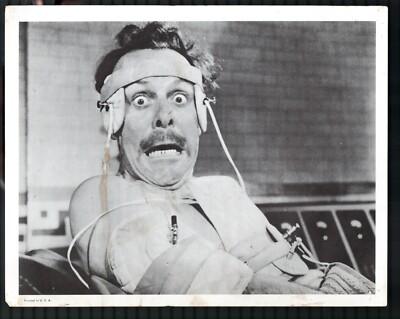
Introduction: Why Tim Curry Matters
Tim Curry is a name synonymous with bold, theatrical performances that have shaped film, stage and animation for decades. Best known for his transgressive turn as Dr Frank-N-Furter in The Rocky Horror Picture Show, Curry’s work spans cinema, television and voice acting. Understanding his career helps explain ongoing interest in cult cinema, character acting and the resilience of performers who adapt after serious health setbacks.
Main body: Career highlights and recent context
Iconic screen and stage roles
Curry rose to prominence in the 1970s and 1980s through a string of memorable parts. His portrayal of Dr Frank-N-Furter in the 1975 film adaptation of The Rocky Horror Picture Show established him as a daring leading presence. Other notable roles include the cunning butler in the comedy Clue (1985) and the chilling performance as Pennywise in the 1990 television adaptation of Stephen King’s It. These performances cemented his reputation for combining theatricality with precise comic and villainous instincts.
Voice acting and versatility
Beyond live-action, Curry built a significant body of work in voice acting for animation and video games, creating distinctive character voices that reached new, younger audiences. His vocal work underscored his versatility and allowed him to continue contributing to entertainment even as the industry evolved.
Health challenge and continued contributions
After suffering a serious stroke in 2012, Curry’s public appearances became rarer and his voice and mobility were affected. Despite these challenges, he continued to work where possible, lending his voice to projects and remaining a respected figure in interviews and retrospectives. His perseverance has become part of his public narrative, illustrating how artists adjust careers after major health events.
Conclusion: Legacy and significance for readers
Tim Curry’s career offers a study in range—from cult leading parts to nuanced voice work—and in resilience. For fans and students of performance, his body of work remains a touchstone for bold characterisation and adaptability. Looking ahead, Curry’s influence will likely persist through ongoing interest in the films and shows he helped define, continued appreciation in retrospectives and the generations of performers inspired by his fearless approach to character.