

Understanding The Witcher: From Books to Screen
The Phenomenon of The Witcher
The Witcher franchise, originating from Polish author Andrzej Sapkowski’s series of novels, has become a global sensation in recent years. Its blend of fantasy elements, complex characters, and moral themes has captivated audiences across various media, including video games, a Netflix series, and now even upcoming animated films and spin-offs. As a foundation of modern fantasy storytelling, The Witcher represents not only a journey through a richly constructed universe but also a significant cultural movement.
The Origins of The Witcher
First published in 1986, Sapkowski’s work quickly grew in popularity, leading to a series of short stories and novels. The most notable of these, The Last Wish and Sword of Destiny, introduced readers to Geralt of Rivia, a witcher who hunts monsters for a living. The depth of the world building, including its intricate politics and diverse characters such as Yennefer and Ciri, set a new standard in the fantasy genre.
Video Game Adaptations
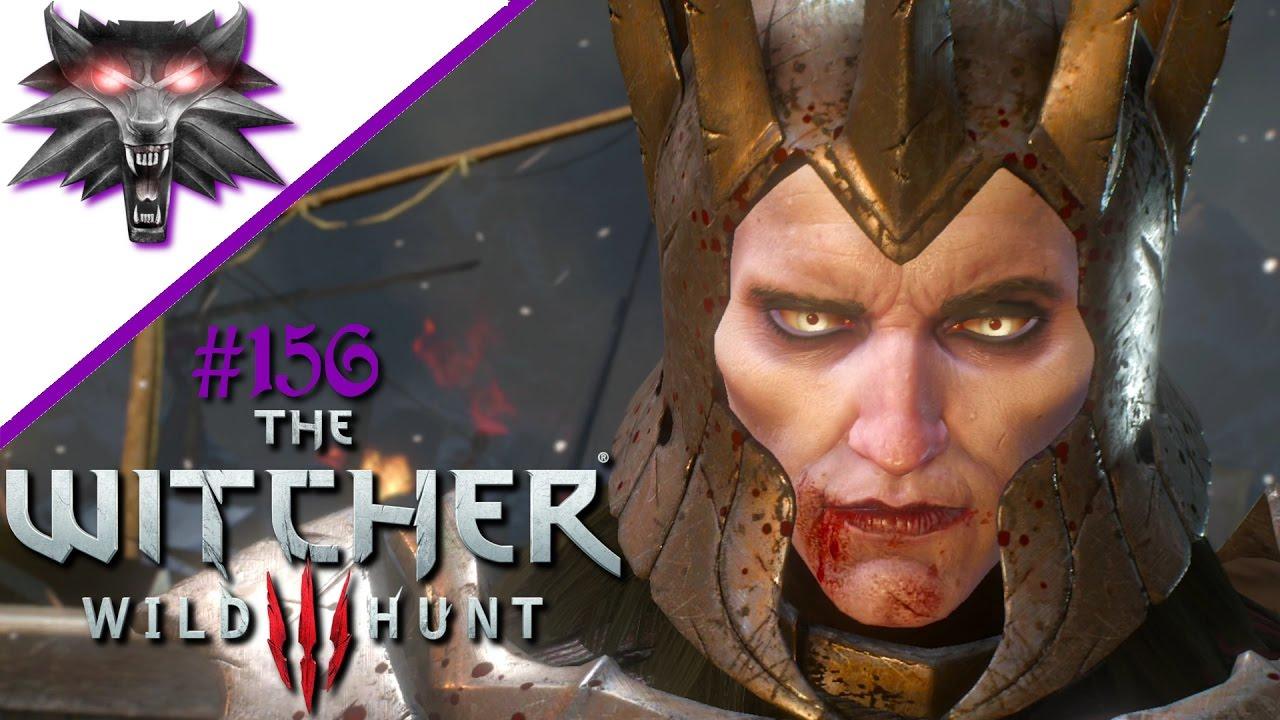
The franchise took a monumental leap with the release of The Witcher 3: Wild Hunt in 2015. Developed by CD Projekt Red, this role-playing game was met with critical acclaim for its storytelling, character development, and open-world design. It won numerous Game of the Year awards and significantly expanded the fan base, encouraging further interest in Sapkowski’s original work.
Netflix Series and Its Impact
In December 2019, Netflix premiered its adaptation of The Witcher, starring Henry Cavill as Geralt. The series was an immediate success, drawing in millions of viewers and sparking discussions about its fidelity to the source material. Critics noted the show’s investment in character complexity and moral ambiguity, reflecting themes present in the books and games while also engaging a new audience unfamiliar with the franchise.
Future Expansions of The Witcher Universe
With the popularity of both the video games and Netflix series, the future looks bright for The Witcher. A second season of the series has been confirmed, alongside various spin-offs and an animated project that promises to delve deeper into the lore. Fans eagerly await how these adaptations will continue to expand the universe while staying true to Sapkowski’s original vision.
Conclusion
The Witcher has proven to be more than just a fantasy series; it has become a cultural touchstone with a dedicated fanbase. With its evolving media adaptations and ongoing expansions, the world of Geralt of Rivia invites readers and viewers into a rich tapestry of stories that resonate on multiple levels. As the franchise continues to grow, it remains an essential part of contemporary fantasy and pop culture.