

Thorpeness: Historic Suffolk Village Battles Devastating Coastal Erosion
Crisis Unfolds in Peter Pan Village
The picturesque Suffolk coastal village of Thorpeness, famed for its whimsical Peter Pan-themed attractions and early 20th-century charm, is facing an unprecedented crisis as rapid coastal erosion threatens its very existence. Crisis meetings have been taking place with residents living on a crumbling coastline – as diggers began tearing down a fourth luxury home in less than three months.
A further eight properties have been flagged as being at risk, with council officers putting homeowners on notice that their houses could also face demolition in the coming weeks. The situation has escalated dramatically following recent storms, particularly Storm Goretti, which accelerated erosion at an alarming rate in early January 2026.
The Speed of Destruction
Villagers in Thorpeness, on the Suffolk coast, now say they fear their whole community could be flooded as the sea creeps ever closer. Long-time resident Hilary Lightfoot, who has lived on the coastline for 35 years, witnessed shocking changes in just days. A pleasant stroll down to the beach from her home at Tinkers End has now become a 15ft drop just yards from her back door.
Four homes on North End Avenue in Thorpeness have been demolished since October 2025. East Suffolk Council confirmed that, following further erosion at the weekend, it had begun meeting with residents to discuss the risk to their individual properties. The council has been shocked by the rapid pace of destruction, though building sea defences – including placing rocks along the coast – would cost millions of pounds.
A Village Built on Dreams
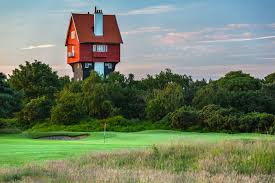
Thorpeness is a seaside village in the East Suffolk district of Suffolk, England, which developed in the early 20th century into an exclusive resort. It belongs to the parish of Aldringham cum Thorpe and lies within the Suffolk Coast and Heaths AONB. The village was created by Scottish barrister Glencairn Stuart Ogilvie, who transformed a fishing hamlet into an elite holiday destination complete with a boating lake inspired by Peter Pan stories, mock-Tudor cottages, and the famous House in the Clouds.
Hamish Ogilvie, the great-great grandson of the village’s creator, described the damage inflicted by coastal erosion as a “tragedy” and said his illustrious ancestor would be very concerned by it. “My great-great grandfather was to a large degree responsible for the creation of Thorpeness and he would be very sad to see houses which he helped to put up, being knocked down.”
An Uncertain Future
Saul Humphrey, a professor of sustainable construction at Anglia Ruskin University in Cambridge, said it was “inevitable” that the village of Thorpeness would eventually have to be abandoned to the sea as climate change causes more storms which would affect the rate of erosion. However, Suffolk Coastal MP Jenny Riddell-Carpenter has challenged this view, suggesting the council believes “The rate over the last days has been extraordinarily fast,” but may eventually slow.
The Environment Agency has recognised an emergency and has given full commitment to support the council. Time is of the essence. East Suffolk Council has stated that “Whilst there are no viable long-term solutions to stop the erosion at Thorpeness, we continue to work around the clock with residents, the Environment Agency and the local MP to tackle this developing situation.”
Significance for Coastal Communities
The crisis in Thorpeness serves as a stark warning for coastal communities across Britain facing similar threats from climate change and rising sea levels. The situation highlights the difficult balance between preserving heritage, protecting residents, and managing the enormous costs of coastal defence. As authorities scramble for short-term solutions, the future of this beloved holiday village hangs in the balance, raising urgent questions about how Britain will address coastal erosion in an era of accelerating climate change.