

Understanding Flood Warnings and How to Prepare
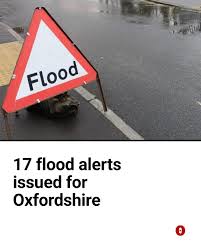
Introduction: Why flood warnings matter
Flood warnings are a critical public safety tool in the UK, alerting communities to the risk of river, coastal and surface-water flooding. As extreme weather events become more frequent, timely and accurate warnings help people, businesses and emergency services reduce harm, protect property and plan effective responses. Understanding how warnings work and how to act on them can make the difference between minimal disruption and serious damage.
Main body: How warnings are issued and what they mean
Who issues flood warnings?
In the UK, statutory bodies lead on flood risk communications: the Environment Agency for England, the Scottish Environment Protection Agency (SEPA) for Scotland, Natural Resources Wales for Wales, and local authorities and emergency services across all nations. These organisations monitor river levels, tides and rainfall, and use models and observations to assess risk.
Warning levels and their meanings
Official alerts are typically issued at graduated levels. A common framework includes:
- Flood Alert – be aware: flooding is possible; prepare and stay informed.
- Flood Warning – take action: flooding is expected; move belongings to safety and follow advice.
- Severe Flood Warning – immediate action required: severe flooding with danger to life; evacuate if instructed.
The precise terminology and delivery channels (phone, SMS, email, broadcast media, apps and social media) vary by nation and local authority, but the underlying intent is consistent: give residents time to respond.
Practical steps when a warning is issued
Key actions include signing up to local alert services, moving vehicles and valuables to higher ground, avoiding driving through floodwater, turning off utilities if safe, and following emergency services’ instructions. Communities should have simple plans for pets, medicines and essential documents.
Conclusion: Preparing for the future
Flood warnings are vital to reducing risk now and in the future. With projected changes in rainfall patterns, individuals and organisations should take warnings seriously, register for local alerts and invest in resilience measures where possible. Staying informed and prepared helps protect lives and livelihoods when flooding threatens.