

Flying Foxes in Crisis: Australia’s Heat Wave Triggers Mass Mortality Event
Introduction: A Critical Moment for Flying Foxes
Flying foxes, the world’s largest bats and crucial ecosystem engineers, are facing an unprecedented crisis in Australia. In January 2026, thousands of flying foxes died across South Australia, Victoria, and New South Wales, with estimates ranging from 1,000 to 2,000 deaths in South Australia alone. This mass mortality event represents the largest mass death of flying foxes since the ‘black summer’ of 2018, when more than 70,000 of these animals died. The tragedy highlights the growing threat of climate change to these vital pollinators and seed dispersers.
The Devastating Impact of Extreme Heat
Grey-headed flying foxes, listed as vulnerable species, suffered the most during the recent heatwave. Temperatures above 42 degrees are known to cause mortality in flying foxes, and the recent conditions pushed colonies beyond their survival limits. Wildlife volunteers rescued dozens of orphaned pups found clinging to their dead mothers, whilst many adult bats in exposed areas with less shade succumbed to heat stroke and dehydration.
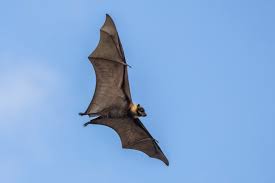
Flying foxes are the largest bats in the world, and their diet consists mainly of fruit, nectar, and pollen from flowering trees. This specialised diet makes them essential for the maintenance and regeneration of native forests, as their rapid digestive system allows them to disperse seeds over large distances.
Conservation Challenges and Future Outlook
The situation is particularly dire for several flying fox species. The spectacled flying-fox population has declined by 75% in two decades to become endangered, whilst more than half of flying fox species are threatened with extinction. Mass die-offs due to extreme heat events, exacerbated by climate change, have severely impacted populations, alongside habitat destruction and human persecution.
Conservation efforts are underway, including rescue and rehabilitation programmes, habitat protection, and public education initiatives. However, habitat destruction continues despite endangered status, with more than 2,000 hectares of potential flying fox habitat cleared annually. The recent Australian heatwave serves as a stark warning: without urgent action to address climate change and protect critical habitats, these remarkable creatures that help hold rainforests together may face an uncertain future.