

Yorkshire Water Hosepipe Ban Lifted as Reservoir Levels Recover
End of Five-Month Water Restrictions
Yorkshire Water has officially lifted its hosepipe ban on Wednesday, 10 December 2025, after reservoir levels recovered following the driest spring in 132 years. The restrictions had affected more than five million people since July, marking a challenging period for Yorkshire residents and businesses alike.
The Crisis That Prompted the Ban
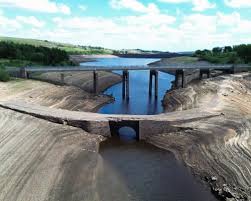
Temporary hosepipe restrictions were introduced in July following the driest and warmest spring for 132 years, which led to the region being declared in drought. Just 15cm of rain fell between February and June, and combined with the hottest summer on record, reservoir levels dropped to 30% at their lowest point. The region entered drought status in June, with reservoir stocks falling since the last week of January.
Yorkshire Water’s director of water, Dave Kaye, explained the restrictions were implemented to help conserve water for the coming months and to protect Yorkshire’s environment. Customers who ignored the ban could face fines of up to £1,000.
Recovery and Results
Reservoir levels are now at 91.6% and Hull aquifer levels are at 77%, above the average for the time of year. The decision to lift the ban follows a notably wet November that helped replenish water stocks across the region. Northern England experienced one of its wettest Novembers since records began in 1836, with rainfall 84% above average in the north east of the region.
Yorkshire Water said the restrictions saved 1.3 billion litres of water, equivalent to 69 days of York’s average usage. The company also fixed almost 15,000 leaks while the ban was in place.
Long-Term Measures
Yorkshire Water has announced a £38m investment planned over the next five years to continue bringing down leakage, along with progressing plans to bring additional water sources into the network. This year’s ban was the second imposed by Yorkshire Water in three years, following similar conditions in 2022. The company continues to encourage customers to maintain water-saving habits to reduce the likelihood of future restrictions in an increasingly challenging climate.