

Emissions based parking Reading: on-street charges start 2 Feb 2026
Introduction: Why emissions based parking in Reading matters
Reading Borough Council has announced the introduction of emissions based parking charges, a change that links parking fees to vehicle pollution levels. The move is relevant for local drivers, residents with permits and visitors who use on-street pay-and-display bays. Emissions-based pricing is intended to influence vehicle choice and use by making higher-polluting vehicles more expensive to park, and the council has given a clear start date for the scheme.
Main details of the scheme
Scope and implementation date
The council has confirmed that the emissions based charging scheme applies to on-street pay-and-display parking bays and to parking permits, including residents permits. According to the council’s announcement, the new charges will come into effect from Monday 2 February 2026.
Who will be affected and how
Reading Council has stated that owners of higher-polluting vehicles will face higher on-street parking fees under the new system. The council’s communication, including a post on its official Facebook channel, highlights that charges will be differentiated by vehicle emissions, with more polluting vehicles paying more for on-street parking from the specified start date.
What remains unchanged in announcements
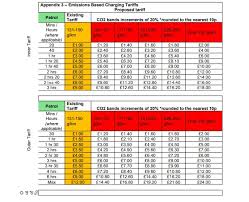
Public information emphasises the specific application to on-street pay-and-display bays and permits. Other detailed operational aspects of the scheme—such as the exact charging bands, enforcement arrangements, or any transitional measures—have not been included in the public summaries provided.
Conclusion: What drivers and residents should know
Reading’s emissions based parking policy introduces a direct financial incentive tied to vehicle emissions for anyone using on-street parking or holding a permit. With implementation set for 2 February 2026, vehicle owners should check council guidance as it becomes available to understand specific charge bands and any implications for daily travel or permit renewals. The change signals a local policy approach that links parking costs to emissions, with potential implications for vehicle decisions and short-term parking costs for higher-polluting cars.