

The Conflict Between Land and Sea: Navigating Nature’s Turmoil
Introduction
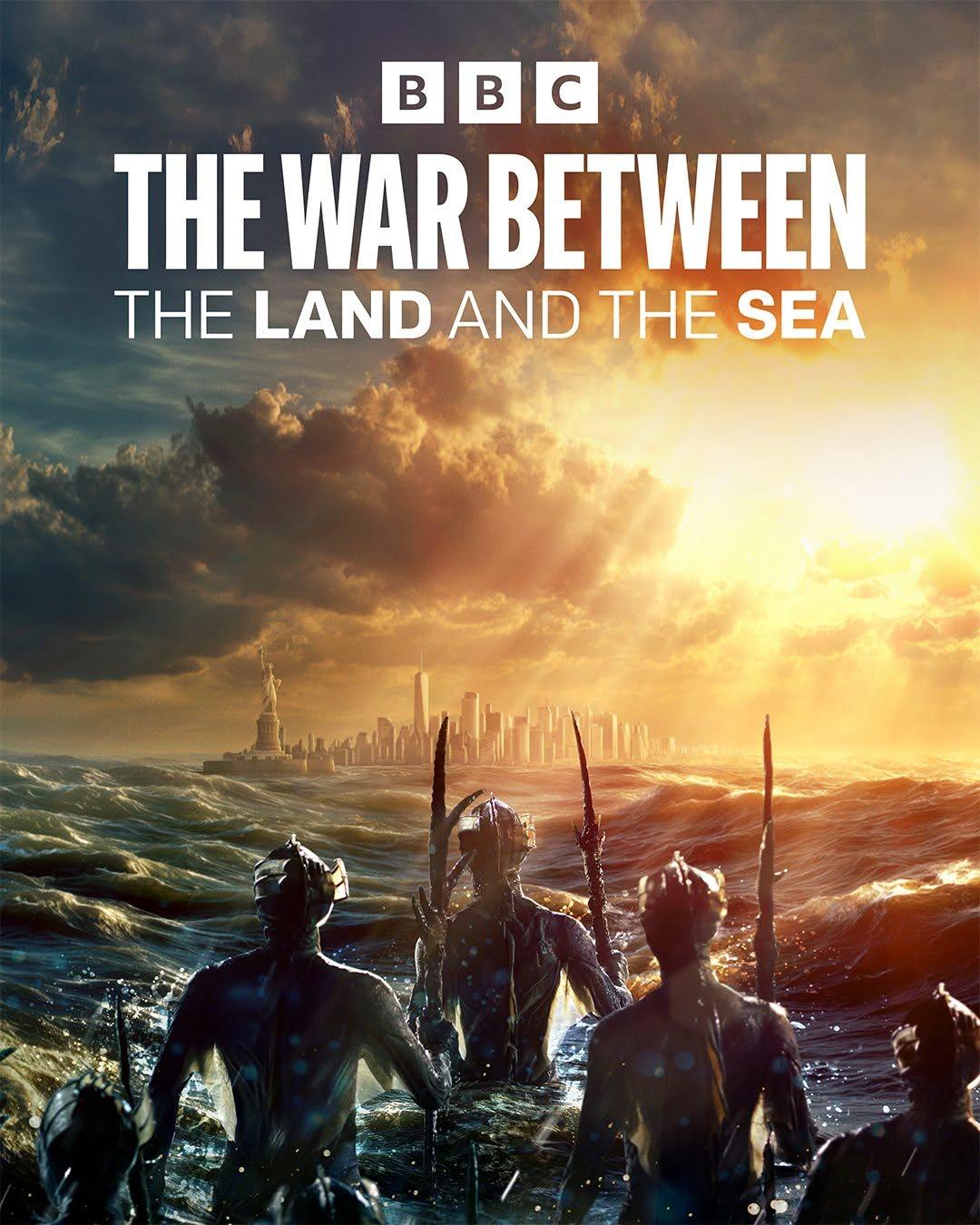
The dynamic interplay between land and sea has long been a topic of intrigue and concern. This conflict, often termed ‘the war between the land and the sea,’ encapsulates the constant struggle where terrestrial ecosystems meet marine environments. As climate change accelerates, this battle has gained prominence, impacting both biodiversity and human settlements. The growing urgency to understand these interactions is crucial for sustainability and conservation efforts.
The Current State of Affairs
In recent years, rising sea levels due to climate change have intensified the war between land and sea. Coastal erosion has become more prevalent, leading to the loss of habitats for numerous species and posing significant risks to human settlements. According to the Intergovernmental Panel on Climate Change (IPCC), sea levels are projected to rise by up to 1.1 metres by 2100 if current trends continue. This rise threatens to inundate low-lying coastal areas, displacing communities and disrupting local economies.
Moreover, the phenomenon of ‘land subsidence,’ where land sinks due to factors such as groundwater extraction, exacerbates this conflict. Notable cases can be found in cities like Jakarta and New Orleans, where the land is sinking even as the seas rise. Studies indicate that regions such as the Sundarbans in India are experiencing severe flooding, as the encroachment of seawater into freshwater systems disrupts agriculture and freshwater supplies.
Human Impact and Responses
Human activities significantly contribute to the war between land and sea. Urban development, deforestation, and industrial pollution all affect coastal ecosystems. Marine life suffers from habitat destruction caused by land reclamation projects and the introduction of pollutants. Conservationists warn that the loss of coastal biodiversity not only endangers species but also undermines the essential services these ecosystems provide, such as natural coastal protection against storms.
However, efforts are underway to mitigate these impacts. Initiatives focusing on restoring mangroves and wetlands have shown promise in enhancing coastal resilience. These ecosystems can act as buffer zones, absorbing storm surges and providing critical habitats for wildlife. Furthermore, sustainable land-use practices are being advocated to reduce the anthropogenic pressures driving the conflict.
Conclusion
The war between the land and the sea is an evolving narrative, rich with implications for our planet’s future. As climate change intensifies, understanding and addressing this conflict becomes increasingly vital. Both community-driven conservation efforts and global policies must be aligned to restore balance and protect vulnerable ecosystems. As stewards of the Earth, individuals and societies must innovate and adapt to safeguard both land and marine environments for future generations, ultimately recognising that protecting one may be essential to preserving the other.