

The Environmental Impact of Plastic Beads at Camber Sands
Introduction
The presence of plastic beads at Camber Sands has raised significant environmental concerns in recent months. Situated on the coast of East Sussex, Camber Sands is a popular destination for tourists and wildlife alike. However, the increasing visibility of these microplastics is not only a threat to the local ecosystem but also to human health, as beach-goers and marine life alike become more exposed to plastic pollution.
The Issue of Plastic Beads
Recent studies have shown that plastic beads, commonly found in cosmetics and cleaning products, have washed ashore at various beaches, including Camber Sands. These beads, which are often too small to be filtered out by wastewater treatment facilities, accumulate in ocean waters and often end up on beaches, where they can cause harm to wildlife and contribute to a broader plastic pollution crisis.
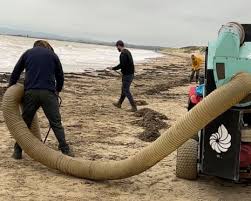
The issue intensified earlier this year when local environmental groups conducted beach clean-ups and reported a significant increase in plastic debris, particularly microplastics and beads. Their efforts revealed that even small amounts of these plastics can pose serious risks to marine animals, as they can be ingested, leading to health problems or even death.
Conservation Efforts and Community Involvement
In response to the alarming findings, several conservation initiatives have been launched to address the issue. Local councils and environmental organisations are working together to raise awareness about the harmful effects of plastic pollution. Educational programs are being implemented in schools to teach the younger generations about the importance of sustainable practices and reducing plastic usage.
Citizen involvement is also crucial, with community-led beach clean-ups regularly scheduled. These events not only help to remove plastic pollution from the shore but also foster a sense of responsibility among local residents, encouraging them to adopt more sustainable lifestyles. Moreover, recent calls for better regulations around the use of microplastics in personal care products have gained traction, as activists urge manufacturers to seek alternatives.
Conclusion
The presence of plastic beads at Camber Sands serves as a somber reminder of the pervasive issue of plastic pollution affecting our oceans and beaches. As communities continue to rally for change, it is essential for both individuals and governments to take action to mitigate the impact of plastic waste on our environment. Continued awareness and action will be key in achieving a cleaner, healthier coastline for both ecosystems and beach-goers alike. Looking forward, ongoing research and community involvement will be vital in reducing plastic pollution and protecting cherished natural spaces like Camber Sands.