

Why Weather Still Shapes Daily Life and Decision-Making
Introduction: The importance of weather
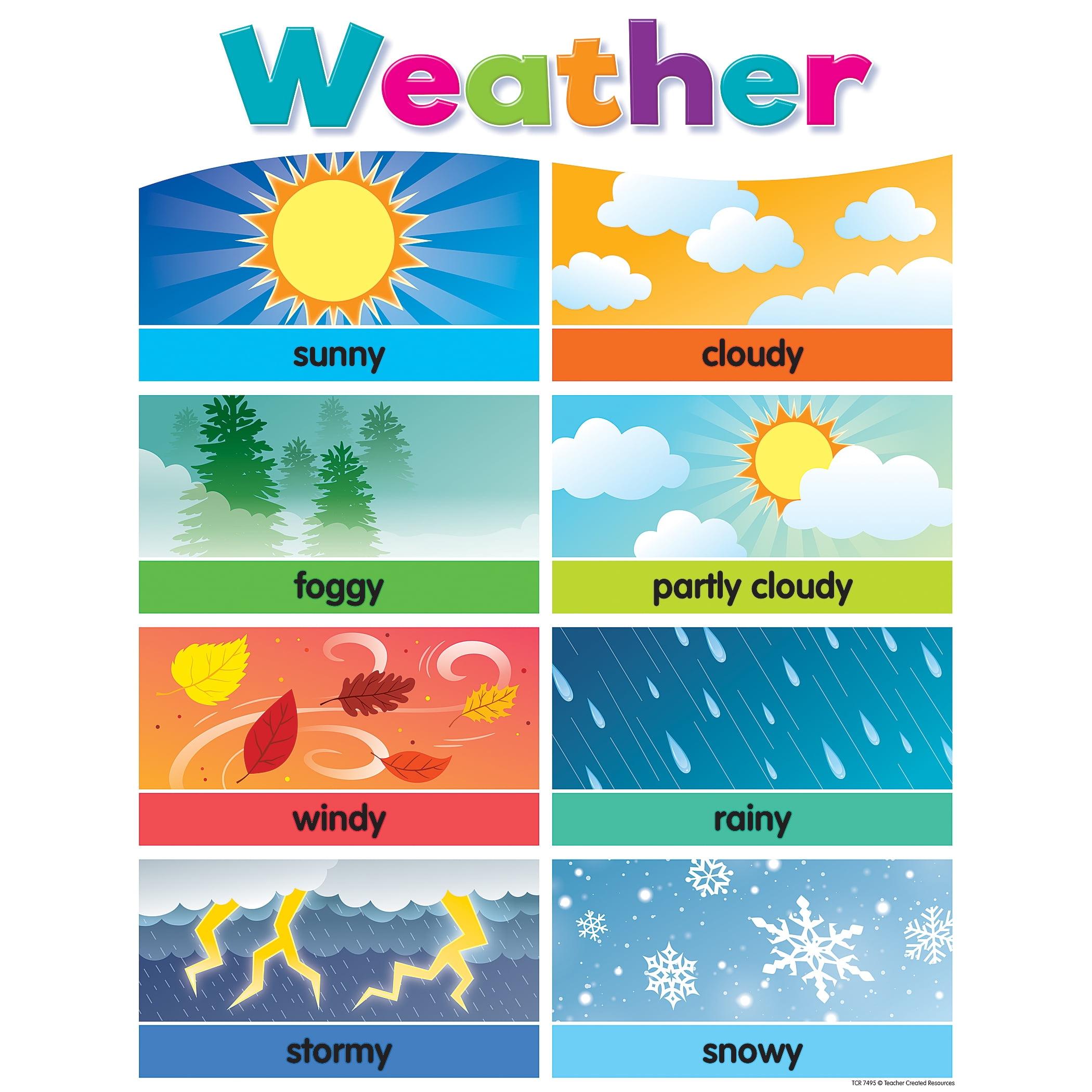
Weather influences nearly every aspect of daily life, from travel and commerce to health and agriculture. Understanding weather and the forecasts that describe it is essential for individuals, businesses and public services. Clear, reliable information about weather helps people make safe and efficient decisions, whether they are planning a commute, protecting crops or managing events.
Main body
Everyday impacts
Weather affects transport systems, energy demand and public safety. Road, rail and air services are routinely adjusted in response to precipitation, fog, wind and other conditions. Utilities and emergency services also rely on weather information to prepare for changes in demand or potential hazards. For households, weather forecasts inform simple choices such as clothing and travel timing.
Economic and sectoral effects
Agriculture, construction and tourism are among the sectors most sensitive to weather. Seasonal patterns and short-term conditions influence planting, harvesting and building schedules. Businesses monitor forecasts to reduce disruption and optimise operations. Insurers and financial analysts factor weather-related risks into assessments of economic exposure.
Forecasting, science and communication
Advances in observation networks and computer modelling have improved forecasting skill, allowing meteorological organisations to issue earlier and more precise guidance. Effective communication of forecasts and warnings is equally important: clear messages help people understand the level of risk and the actions they should take. Trusted official sources remain the primary channel for validated weather information.
Practical advice for readers
To stay prepared, check forecasts before important trips or outdoor activities and follow guidance from local authorities during severe conditions. Use official meteorological services and recognised news outlets for updates, and consider contingency plans for travel, work and events when forecasts indicate disruption.
Conclusion
Weather continues to shape daily decisions and wider economic activity. Improved forecasting has increased resilience, but the value of forecasts depends on timely access and clear communication. Readers are advised to consult authoritative sources for the latest weather information and to plan accordingly to reduce risk and inconvenience.