

South East Water: Supply, services and future challenges
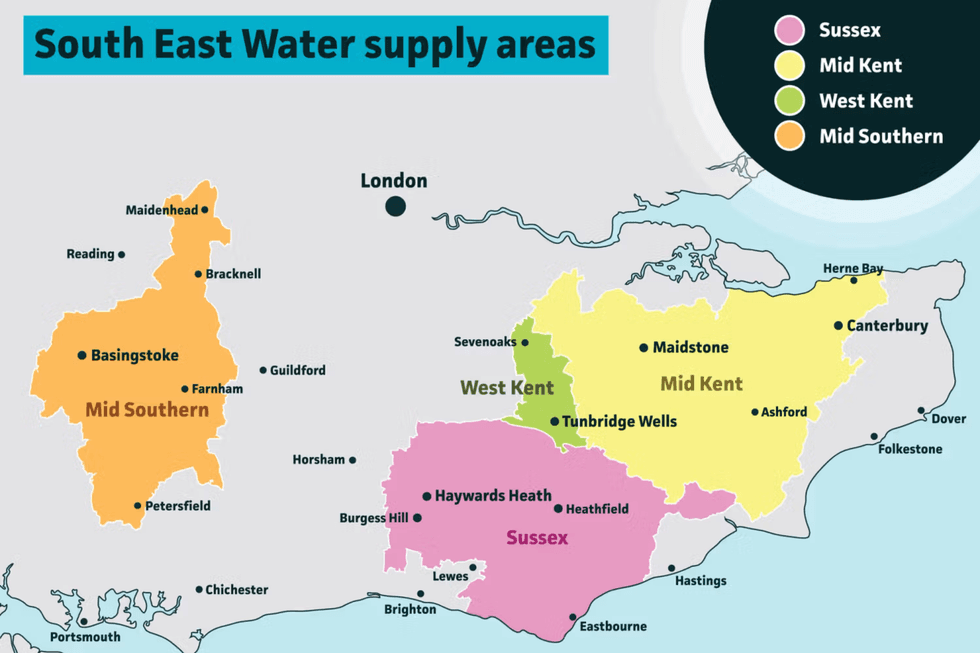
Introduction: Why water services matter
Reliable water supply and wastewater services are essential for public health, the economy and everyday life. South East Water, as a regional supplier, sits at the centre of those services for millions of customers in the south‑east of England. The company’s performance on supply resilience, leakage control, customer service and investment in infrastructure is therefore highly relevant to households, businesses and local authorities.
Main body: Responsibilities, pressures and responses
Core responsibilities
South East Water is responsible for sourcing, treating and delivering potable water, as well as collecting and treating wastewater where contracted. Its operational duties also include maintaining pipes and pumping stations, responding to bursts and outages, and ensuring compliance with regulatory standards for water quality and environmental protection.
Operational pressures
Like other water companies, South East Water faces several pressures: ageing infrastructure that requires ongoing maintenance and replacement; seasonal and long‑term variations in rainfall affecting reservoir levels; and the need to reduce leakage and unplanned interruptions. Climate change and population growth add further strain on resources and planning horizons.
Customer service and accountability
Customers expect clear communication on supply incidents, transparent billing and practical support for vulnerable households. Regulatory bodies such as Ofwat and the Drinking Water Inspectorate provide oversight of service standards, investment plans and environmental obligations, while consumer groups monitor company performance and advocate for customers.
Investment and innovation
Meeting future challenges requires continuing investment in pipe renewal, digital monitoring to detect leaks, and demand‑management measures such as metering and water efficiency programmes. Collaboration with local councils, environment agencies and community groups helps to align infrastructure improvements with broader regional needs.
Conclusion: What this means for readers
For residents and businesses in the region, South East Water’s priorities—reducing leaks, improving resilience and maintaining high water quality—translate directly into daily convenience and long‑term cost. Continued oversight, transparency in reporting and investment in infrastructure will be key to sustaining reliable services. Customers are advised to watch company communications, report faults promptly and consider simple conservation measures to support collective resilience.