

Understanding FPL Price Changes and Their Impact
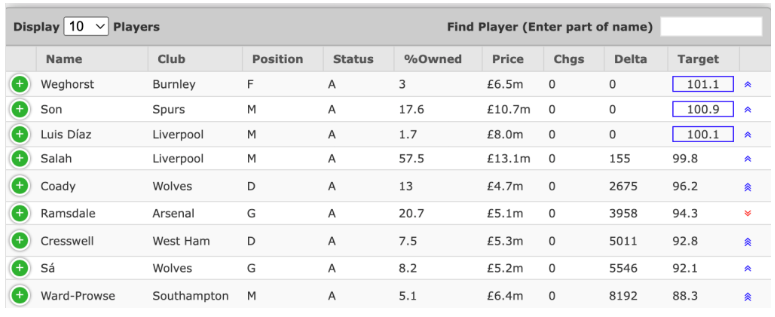
Introduction to FPL Price Changes
As the Fantasy Premier League (FPL) progresses into its current season, price changes for players serve as a crucial factor for managers looking to optimise their squads. Understanding these fluctuations can be pivotal in making informed transfer decisions and maintaining a competitive edge. Price changes not only reflect player performance on the pitch, but also influence overall team strategy, especially as the season progresses.
Current Trends in FPL Pricing
The latest data indicates notable trends in player valuations. Several players have seen significant fluctuations in their prices this season, correlating with their on-field performances. For instance, standout performers such as Erling Haaland and Mohamed Salah have not only showcased consistent scoring but have also experienced upward price adjustments. Conversely, players underperforming relative to expectations have seen their values decline.
Factors Influencing Price Changes
Price changes in FPL are primarily driven by two factors: performance and demand. When a player scores, assists, or exhibits strong performances, their ownership often increases, leading to a subsequent increase in price. Conversely, a drop in performance or increased ownership of substitutes leads to a decrease in a player’s value.
The Importance of Timing
For FPL managers, timing is crucial. Managers who keep a close watch on price changes can effectively make transfers at optimal times, acquiring in-form players before they rise further in price or selling before they drop. Monitoring tools and apps have become increasingly popular for tracking these changes in real time, allowing managers to adjust their teams strategically.
The Strategic Implications
These price changes have significant implications for Fantasy Premier League strategies. Managers often find themselves balancing between acquiring high-performing players and managing their budget effectively. Additionally, implementing a strategy that involves price point players—buying those whose prices are on the verge of a rise—can lead to value gain over the course of the season.
Conclusion
In summary, understanding FPL price changes is vital for any manager looking to succeed in this competitive format. Being proactive in response to these fluctuations allows FPL players to enhance their squads timely and effectively. As the season unfolds, staying alert to both player dynamics and price movements will be fundamental in crafting a winning Fantasy team.