

About The Fabelmans: Spielberg’s Semi‑Autobiographical Film
Introduction: Why The Fabelmans matters
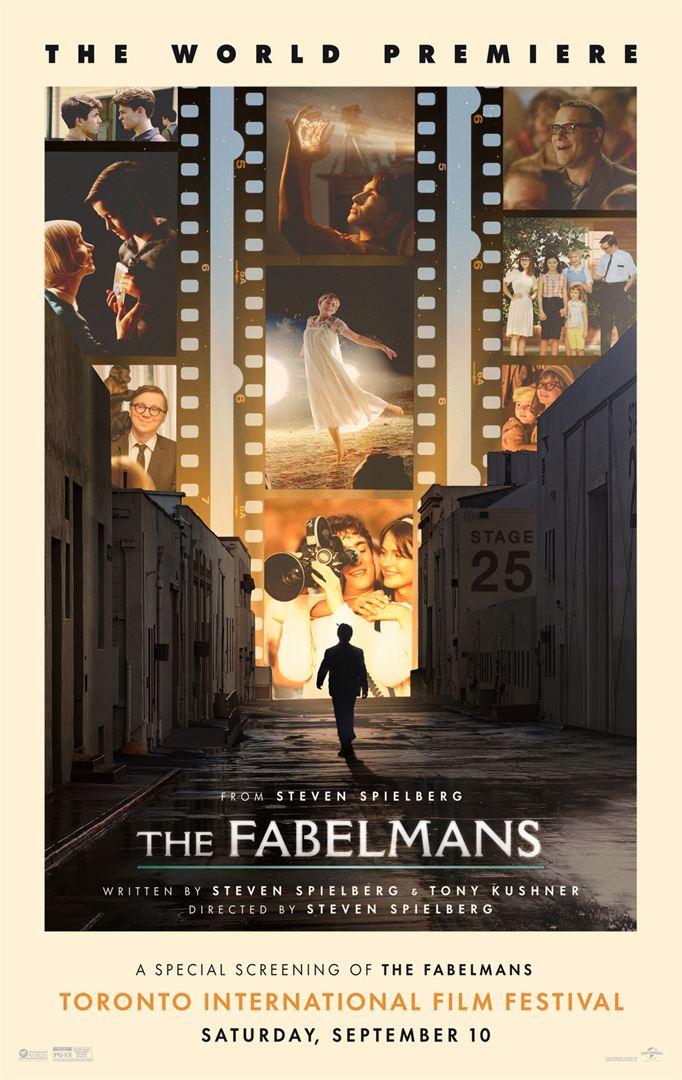
The Fabelmans is a 2022 semi‑autobiographical film directed by Steven Spielberg that examines the formative years of a young aspiring filmmaker. Its importance lies in the way it blends personal memory with cinematic craft, offering both a portrait of family life in mid‑20th century America and a reflection on how movies shape identity. For readers interested in film history, creative biography and the work of one of cinema’s most influential directors, The Fabelmans remains a notable cultural work.
Main body: Details and context
Origins and creative team
Conceived as a personal project, The Fabelmans was co‑written by Steven Spielberg and playwright Tony Kushner. The screenplay draws on episodes from Spielberg’s childhood and early adulthood, translating private memories into a dramatic narrative that centres on a young protagonist whose curiosity about filmmaking alters his family relationships.
Cast and premiere
The film features Gabriel LaBelle in the lead role, supported by performances from Michelle Williams, Paul Dano and Seth Rogen among others. The Fabelmans premiered to attention on the festival circuit in 2022 and was released commercially later that year, attracting interest from critics and cinephiles for its intimate tone and meticulous period detail.
Themes and reception
Key themes include the creative impulse, the complexities of family bonds, and the ethical and emotional costs of storytelling. Critics praised the film for its sensitivity, production design and the way it situates a personal narrative within broader cultural currents. Audiences and commentators have noted the film’s reflective pace and the clarity with which it portrays the intersections of art and life.
Conclusion: Significance and outlook
The Fabelmans stands as a clear example of an established director turning inward to examine formative influences. While rooted in a specific biography, the film resonates more widely with anyone interested in how childhood experiences inform artistic choices. Its critical reception and continuing discussions about memory, representation and filmmaking suggest the title will remain a reference point in studies of contemporary cinema and autobiographical film for readers and filmgoers alike.