

The Last Duel: Film, History and Contemporary Debate
Introduction: Why the Last Duel matters
The Last Duel has remained a touchstone for debates about historical representation, consent and cinematic storytelling since its 2021 release. Directed by Ridley Scott and adapted from Eric Jager’s book, the film’s treatment of a 14th‑century trial by combat attracted attention for its subject matter and high‑profile cast. Its relevance extends beyond film criticism: it prompts fresh examination of how modern audiences engage with stories of justice and power.
Main body: Facts, reception and themes
Production and premise
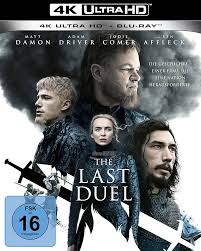
The Last Duel is a historical drama directed by Ridley Scott, with a screenplay credited to Nicole Holofcener, Ben Affleck and Matt Damon. It stars Matt Damon, Adam Driver and Jodie Comer, and is based on Eric Jager’s historical account. Set in medieval France, the narrative centres on a confrontation that follows an accusation of sexual violence and the subsequent trial by combat that was authorised under contemporary law.
Critical response and public reaction
Critics largely praised performances and the film’s ambition in tackling difficult themes, while audiences were divided on tone and pacing. Many commentators highlighted the film’s insistence on showing multiple perspectives, prompting discussions about narrative reliability and the limits of adapting historical sources for a modern screen. Commercially, the film did not meet studio expectations, but it has found a continuing audience among viewers and scholars interested in gender, law and medieval history.
Broader significance
Beyond box office figures, The Last Duel has become a reference point in cultural conversations about consent, historical memory and how cinema interrogates power structures. It has been used in classrooms and public forums to discuss how stories from the past are told and retold in light of contemporary values.
Conclusion: What to expect next
The Last Duel’s long‑term significance will likely rest on its role as a conversation starter rather than as a commercial milestone. Expect continued analysis in film studies, history courses and media coverage as audiences revisit the film on digital and home formats. For readers, the film offers a prompt to consider how historical narratives are constructed and why they continue to matter today.