

Wuthering Heights film: Why the story keeps returning to the screen
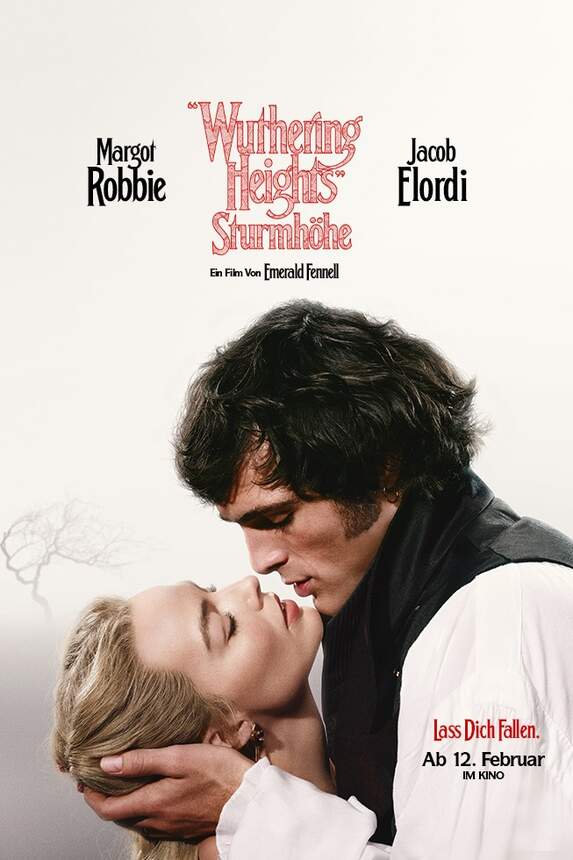
Introduction: The lasting importance of Wuthering Heights on film
Wuthering Heights remains one of English literature’s most potent sources for filmmakers. The novel’s intense themes—love, revenge, class and the wild Yorkshire moors—make it relevant to contemporary audiences and a frequent subject of cinematic reinterpretation. Coverage of Wuthering Heights film adaptations matters because each production reshapes how new generations encounter Emily Brontë’s work and reflects changing cultural values.
Main body: Adaptation history, challenges and recent interest
Adaptations and artistic choices
Wuthering Heights has yielded numerous film and television adaptations over decades. Filmmakers confront persistent challenges when translating the novel’s nonlinear narrative and passionate, often unsettling characters to screen. Choices about which episodes to include, how to portray Heathcliff and Catherine, and whether to emphasise romance, social context or psychological intensity determine how an adaptation is received.
Critical and audience responses
Some adaptations have been praised for capturing the novel’s atmosphere and emotional extremes, while others have provoked debate for omitting key plot elements or reframing character motivations. Directors frequently update settings, adjust timelines or foreground different relationships to speak to contemporary audiences. Such interpretations can renew interest in Brontë’s novel and prompt discussion about fidelity to source material versus creative reinvention.
Why filmmakers return to the story
The novel’s elemental conflicts—love versus revenge, nature versus civilisation—translate well to film language, from stark cinematography to intense performances. The moors, as both setting and symbolic landscape, offer filmmakers visual shorthand for isolation and passion. For producers, the title recognition of Wuthering Heights also carries commercial appeal, encouraging periodic reimagining across cinema and streaming platforms.
Conclusion: Significance and outlook for readers
Wuthering Heights film adaptations will likely continue to surface, as each generation re-examines Brontë’s themes through contemporary lenses. For readers and viewers, new adaptations offer opportunities to revisit the novel’s complexities and to debate how best to represent its characters and moral ambiguities on screen. Whether faithful period pieces or bold reinterpretations, films based on Wuthering Heights keep the conversation about the novel alive and accessible to new audiences.