

Ron Howard: From Child Actor to Award-Winning Filmmaker
Introduction
Ron Howard remains one of this generation’s most recognised filmmakers. His career, which began as a child actor, spans acting, directing and producing across high-profile dramas, documentaries and television. Understanding Howard’s work is important for readers interested in how real-life stories and popular fiction are adapted for the screen, and how a career can evolve from on-screen performer to creative leader.
Main body
Early career and transition
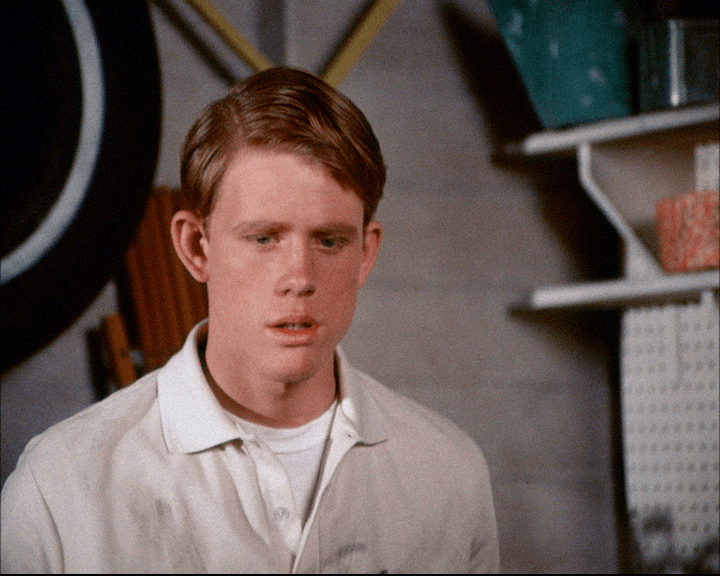
Ronald William Howard (born 1 March 1954) started his career as a child actor before transitioning to directing. That early experience in front of the camera informed his later work behind it, giving him an actor’s perspective when directing performances and shaping narratives.
Notable films and documentaries
Howard is known for critically acclaimed dramas such as A Beautiful Mind, Apollo 13 and Frost/Nixon. As an Academy Award-winner, he has also directed notable feature films including The Da Vinci Code and Angels & Demons, both adaptations of Dan Brown novels starring Oscar-winner Tom Hanks. His range includes family and fantasy films — from Dr. Seuss’ How the Grinch Stole Christmas (2000) starring Jim Carrey to the fantasy epic Willow (1988) — as well as dramas like The Missing (2003) featuring Cate Blanchett and Tommy Lee Jones, and Night Shift (1982) with Henry Winkler, Michael Keaton and Shelley Long.
Howard has expanded into documentary filmmaking with projects such as The Beatles: Eight Days a Week – The Touring Years and Pavarotti, demonstrating his interest in bringing real-life stories and cultural figures to the screen. He has discussed his process for adapting true stories for film, emphasising research and narrative craft.
Producing and television work
Beyond directing, Howard has served as an executive producer on award-winning television and film projects. Credits include the HBO miniseries From the Earth to the Moon (1998), the Fox comedy Arrested Development (2003) — a series he also narrated and later helped revive for Netflix — and NBC’s Parenthood. His producing role extends his influence across genres and platforms.
Conclusion
Ron Howard’s career demonstrates a sustained versatility across acting, directing and producing. From blockbuster adaptations and intimate dramas to documentaries and television, his work continues to shape how true stories and popular narratives reach audiences. For readers, his career offers a clear example of artistic evolution and the diverse paths available within the film and television industries.