

Wagner Moura: From Brazilian Screens to Global Recognition
Introduction: Why Wagner Moura Matters
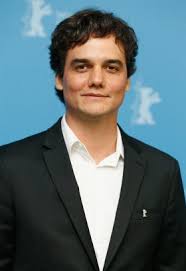
Wagner Moura is one of Brazil’s most recognised actors and an increasingly prominent director. His work has been central to bringing contemporary Brazilian stories to global audiences, and his career highlights broader trends: the internationalisation of Latin American talent, the political reach of cinema, and a renewed interest in Brazil’s social narratives. Understanding Moura’s trajectory offers insight into how performers from outside Hollywood can achieve worldwide influence.
Main body: Career Highlights and Recent Developments
Breakthrough in Brazilian cinema
Moura first rose to major national prominence with roles in high-profile Brazilian films, notably the Tropa de Elite (Elite Squad) films, which attracted both popular and critical attention in Brazil and abroad. Those performances established him as a leading actor capable of portraying complex, morally ambiguous characters.
International recognition
His portrayal of Pablo Escobar in the Netflix series Narcos brought Moura international recognition. To prepare for the role he worked on language and cultural aspects to deliver a performance that resonated with viewers across multiple markets. The series expanded Moura’s profile and demonstrated the global reach of streaming platforms in elevating non‑US actors.
Directing and political engagement
Beyond acting, Moura has moved into directing and producing. His directorial work, including the politically charged feature Marighella, has drawn attention for tackling contentious episodes of Brazilian history. That transition underscores his interest in stories with social and political significance and reflects a broader creative ambition that goes beyond on-screen performance.
Conclusion: Significance and Outlook
Wagner Moura’s career signals the growing influence of Brazilian talent in world cinema. As a performer who has successfully crossed linguistic and cultural boundaries and as a director engaging with political subjects, he remains a figure to watch. For readers, Moura’s trajectory highlights how international platforms and socially engaged filmmaking can elevate national stories to global conversations. Looking ahead, further projects from Moura—whether acting or directing—are likely to attract attention both within Brazil and internationally, contributing to the evolving landscape of global film and television.