

War Machine movie: Netflix’s 2017 satirical take on modern warfare
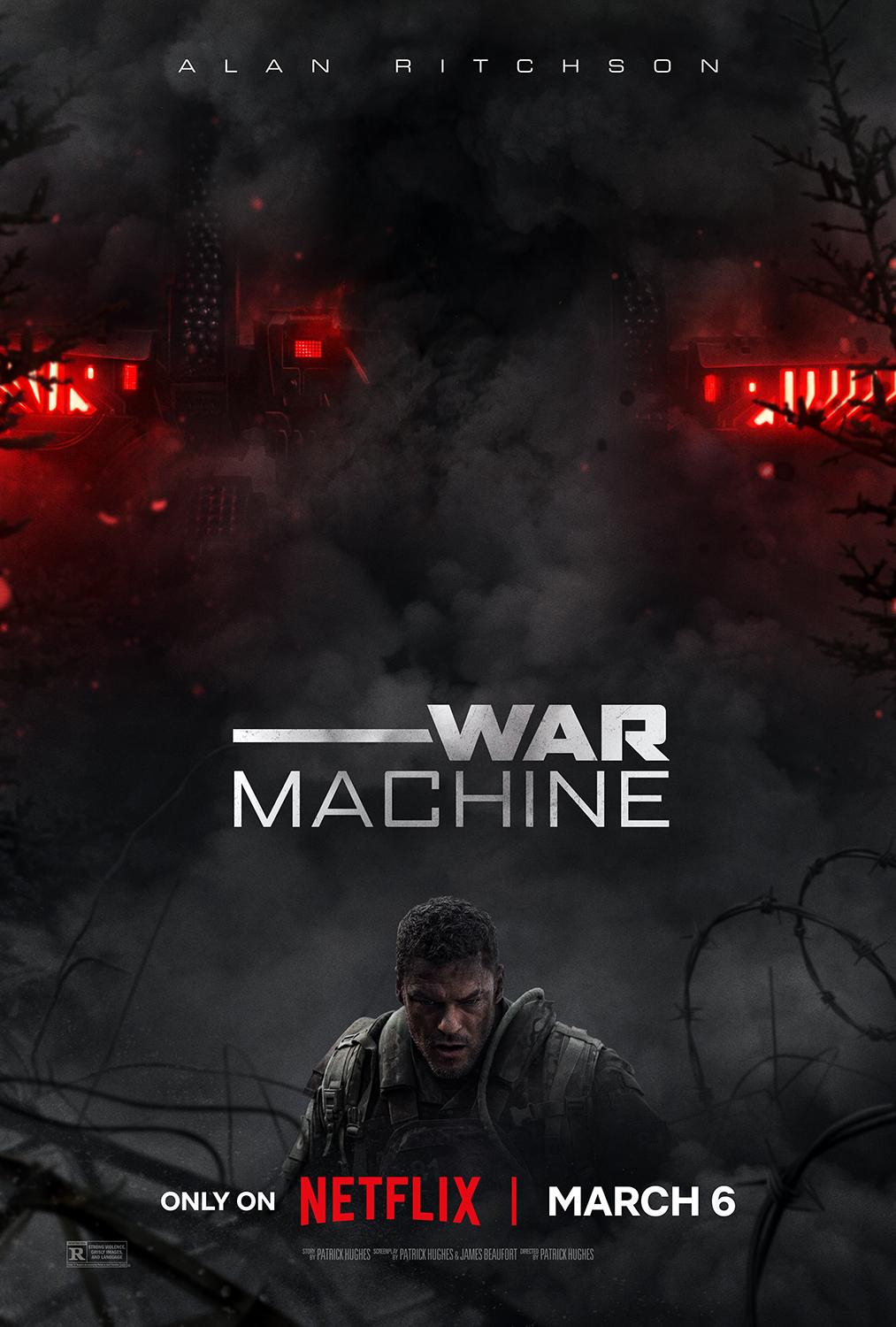
Introduction: Why the War Machine movie matters
The War Machine movie is a notable cultural response to contemporary conflict, combining satire and drama to examine military leadership, media scrutiny and the complexities of modern intervention. Released on a major streaming platform, the film reached a wide audience and sparked discussion about accountability in wartime decision-making. Its relevance endures for viewers interested in civil–military relations, the role of public perception and the challenges of nation-building campaigns.
Main body
Background and production
Directed by David Michôd and released in 2017 on Netflix, the film is adapted from the non-fiction book The Operators by Michael Hastings. It fictionalises real events and personalities to interrogate the behaviour of senior commanders and the interplay between military strategy and political imperatives. The production brought a high-profile cast together to portray a satirical yet serious portrait of leadership under pressure.
Plot and central themes
At its core, the War Machine movie follows a senior commander tasked with stabilising a prolonged overseas campaign. The narrative traces efforts to craft a coherent strategy amid competing advice, bureaucratic inertia and the demands of domestic and international audiences. Key themes include the tension between tactical success and strategic clarity, the influence of media on military operations, and the personal hubris that can undermine institutional objectives. The film balances moments of dark comedy with more sober reflections on the human cost of conflict.
Reception and public conversation
Critical response to the War Machine movie was mixed, with praise directed at its performances and its willingness to satirise high-level decision-making, while some commentators noted limits to its tonal consistency. As a streaming release, the film contributed to conversations about how platforms shape access to politically charged stories. It prompted renewed interest in the source material and in debates about how democracies conduct and oversee extended military engagements.
Conclusion: Significance and takeaways
The War Machine movie remains a useful entry point for audiences wanting to reflect on leadership, media dynamics and the complexities of modern warfare. While it takes creative liberties, its questions about accountability and strategy continue to resonate. For viewers and students of policy alike, the film encourages scrutiny of how decisions are made in wartime and how those decisions are framed for the public.