

The Holdovers: A Modern Classic That’s Captured Hearts and Awards
Introduction: Why The Holdovers Matters
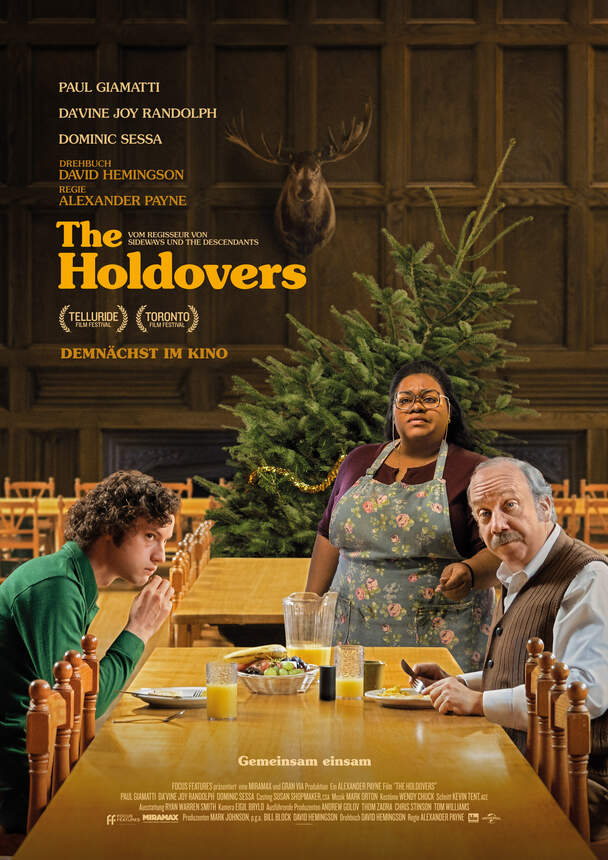
In an era dominated by blockbuster franchises and special effects spectacles, The Holdovers has ranked number 98 on the ‘Readers’ Choice’ edition of The New York Times’ list of ‘The 100 Best Movies of the 21st Century’ in 2025, cementing its place as a significant achievement in contemporary cinema. This heartwarming dramedy, directed by acclaimed filmmaker Alexander Payne and starring Paul Giamatti, has resonated with audiences and critics alike since its theatrical release, proving that character-driven storytelling still has the power to captivate modern viewers.
Award-Winning Performances and Critical Acclaim
The film received five Oscar nominations in total: Best Picture, Best Actor for Paul Giamatti, Best Supporting Actress for Da’Vine Joy Randolph, Best Original Screenplay, and Best Editing. Set in a New England prep school during the 1970s Christmas break, the film follows a curmudgeonly instructor who is forced to remain on campus to babysit students with nowhere to go, eventually forming an unlikely bond with a damaged, brainy troublemaker and the school’s head cook, who has just lost a son in Vietnam.
The performances have been universally praised, with Da’Vine Joy Randolph earning particular recognition. Filmmakers including Joe Dante, Robert Eggers, and even former U.S. President Barack Obama cited it as among their favourite films of 2023, highlighting its widespread appeal across diverse audiences.
Box Office Success and Continued Legacy
Despite its modest beginnings, The Holdovers grossed $46 million worldwide, demonstrating strong word-of-mouth appeal. Following its five Oscar nominations, the film expanded from 127 theatres to 1,262 in its 14th week of release, with box office returns increasing by 568%, showcasing the enduring interest in quality storytelling.
Looking Ahead: New Collaborations
Director Alexander Payne and screenwriter David Hemingson are working on another film together—a Western set in Nebraska in 1886, with a part written for Paul Giamatti, potentially marking their third collaboration since 2004’s Sideways.
Conclusion: A Film for the Ages
The Holdovers represents a triumph of traditional filmmaking in the modern age. Its recognition among the century’s best films, combined with critical acclaim and audience appreciation, demonstrates that authentic human stories continue to resonate. For viewers seeking meaningful cinema that explores themes of connection, loss, and resilience, The Holdovers offers a poignant reminder that sometimes the most powerful films are those that simply allow us to witness broken people finding comfort in each other’s company.