

Scary Movie — Origins and Impact of the 2000 Parody
Introduction: Why Scary Movie matters
Scary Movie is a 2000 parody slasher film that reshaped how mainstream cinema spoofed contemporary horror. By lampooning high-profile 1990s horror titles and combining broad comedy with genre tropes, the film gained cultural prominence and spawned a multi-film franchise. Its approach to parody and its commercial reach make it a useful case study for understanding how comedy can both critique and capitalise on popular horror narratives.
Main body: Key facts and features
Production, creators and release
The film was directed by Keenen Ivory Wayans and released in the United States by Dimension Films, then a subsidiary label of Miramax Films, on 7 July 2000. Writing credits include Marlon and Shawn Wayans, alongside Buddy Johnson, Phil Beauman, Jason Friedberg and Aaron Seltzer. The Wayans brothers also appear among the principal cast.
Cast and plot outline
Notable cast members listed for the film include Marlon Wayans, Shawn Wayans, Carmen Electra, Shannon Elizabeth, Lochlyn Munro and Dave Sheridan. The plot follows a group of teenagers who, after disposing of an accidentally killed man’s body, find themselves stalked by an inept serial killer — a premise that the film plays broadly for comic effect rather than genuine suspense.
Targets of parody and cultural references
Scary Movie mainly spoofs recent horror hits — most prominently Scream (1996) and I Know What You Did Last Summer (1997) — while referencing a range of genre clichés and specific scenes from those films. Characters such as Cindy Campbell anchor the film’s recurring jokes and callbacks to the source material, allowing audiences familiar with 1990s horror to recognise and appreciate the send-ups.
The film series
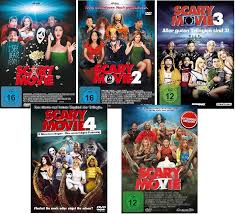
Scary Movie launched a series of American parody films continuing the franchise’s focus on spoofing horror. The second film was also directed by Wayans. Later entries saw other directors take the helm: the fourth film was directed by Zucker, and the fifth by Malcolm D.
Conclusion: Significance and outlook
Scary Movie’s combination of contemporary references, ensemble comedy and explicit parody established a commercial template for late-1990s and early-2000s spoof films. Its success led to multiple sequels and persistent cultural recognition. For modern viewers, the film remains a snapshot of horror fandom at the turn of the century and a reference point for how parody can both parody and profit from popular genre trends.