

HSBC share price: What investors should watch
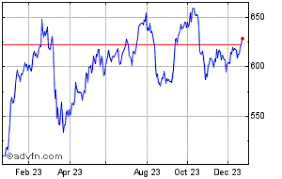
Introduction — why the HSBC share price matters
The HSBC share price is closely watched by investors, policymakers and savers because HSBC is one of the world’s largest banking groups with significant exposure to Europe, the UK and Asia. Movements in the bank’s stock can reflect broader trends in interest rates, economic growth and financial-sector regulation. For shareholders, the share price also signals market confidence in management, dividend prospects and capital strength.
Main developments and drivers
Macroeconomic and rate environment
Bank share prices generally respond to changes in central-bank policy and the economic outlook. A rising interest-rate environment can improve net interest margins for lenders, while slowing growth or recession risk may heighten credit concerns. The HSBC share price will therefore react to inflation data, central-bank guidance and economic indicators in its core markets.
Geographic mix and emerging-market exposure
HSBC’s substantial footprint in Asia distinguishes it from many European peers. Developments in China, Hong Kong and Southeast Asia — including trade dynamics, regulatory measures and local demand — can influence investor sentiment toward the group. Shifts in growth expectations for these regions often feed through to the bank’s valuation.
Capital, dividends and profitability
Investors monitor published results, capital ratios and dividend statements. Strong regulatory capital and clear dividend policies tend to support the share price, while profit warnings, higher loan-loss provisions or unexpected charges can put pressure on the stock. Earnings season and official filings are regular catalysts for short-term moves.
Regulation and strategic execution
Banking regulation, compliance outcomes and the success of strategic initiatives such as cost reduction or digital expansion also matter. Announcements about restructuring, large fines or strategic pivots can materially affect market perceptions of future earnings and risk.
Conclusion — what readers should take away
The HSBC share price is a barometer of multiple influences: macro rates, regional growth prospects, capital strength and management execution. Short-term volatility is normal around earnings and macro announcements, while the longer-term trend will depend on the bank’s ability to sustain profits and manage risks across its global footprint. Investors should follow official results, regulator communications and macro data, and consider their own risk horizon before acting.