

Understanding Inheritance Tax: Impact and Implications
Introduction: Why inheritance tax matters
Inheritance tax is a topic of growing public interest because it touches family finances, housing wealth and intergenerational fairness. With populations ageing and property values high in many areas, inheritances can represent a large transfer of wealth. The design and application of inheritance tax therefore influence how wealth is redistributed, how people plan their affairs and how governments raise revenue. For readers, understanding the basics can help with estate planning and assessing possible future liabilities.
Main body: What inheritance tax involves and current debates
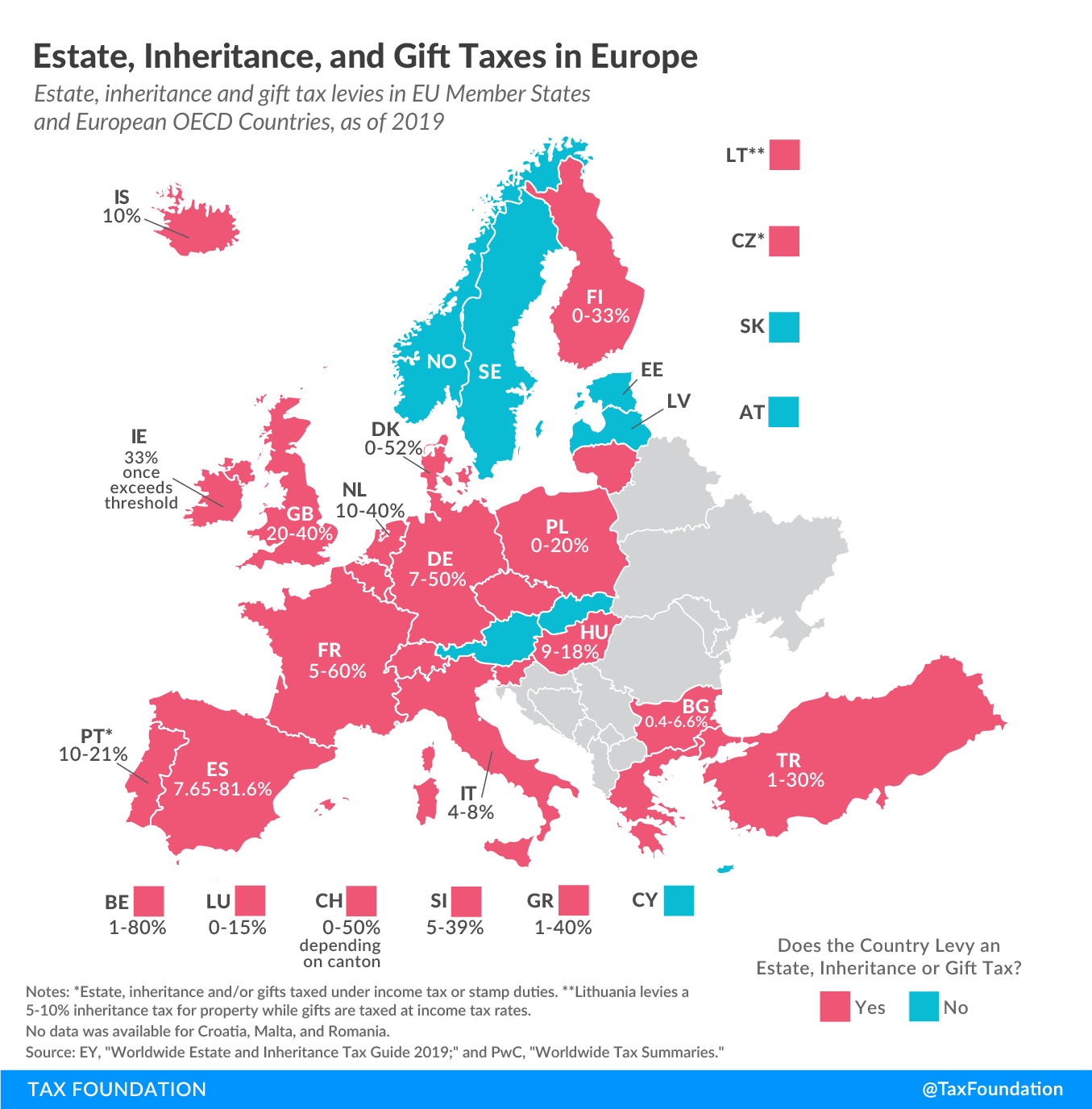
Inheritance tax generally applies to the transfer of a deceased person’s estate—cash, property, investments and other assets—to beneficiaries. Rules vary widely between jurisdictions: some apply a tax above a threshold, others have exemptions for certain assets, and some rely on different rates depending on the size of the estate. Common areas of contention include exemptions for family homes, reliefs for businesses and farmland, and rules around gifts made in the years before death.
Policy debates typically centre on fairness and economic effect. Supporters of inheritance tax argue it helps prevent concentration of wealth and contributes to public finances. Critics say it can penalise property-rich but cash-poor families and encourage tax avoidance through trusts and lifetime gifting. These debates often prompt calls for reform—either to increase thresholds and exemptions or to simplify and tighten rules to reduce avoidance.
Practical impacts are significant for individuals. Estate planning tools such as wills, trusts and lifetime gifts can alter the tax picture, as can careful record-keeping and timely advice. Cross-border situations add complexity when assets or beneficiaries are in different countries, each with its own regime and potential for double taxation or reliefs.
Conclusion: What readers should take away
Inheritance tax remains a relevant policy and personal finance issue. While governments periodically review thresholds, reliefs and enforcement, the underlying questions about fairness and economic effects persist. For individuals, the key actions are to understand local rules, keep clear records and seek professional advice for wills and estate planning. For the public, engagement with policy debates can shape outcomes that affect family finances and broader wealth distribution in the years ahead.