

Understanding fintech innovation: Labs, definitions and the Innovation 50
Why fintech innovation matters
Fintech innovation is reshaping how financial services are delivered, accessed and regulated. As digital technologies enable new business models, consumers and firms face changing opportunities and risks. Understanding the mechanisms that support innovation, and the ways innovation is defined and recognised, is essential for industry professionals, policymakers and customers seeking to navigate this evolving landscape.
Main developments and frameworks
How innovation is defined
The Financial Stability Board (FSB) offers a working definition of Financial Innovation as technologically enabled innovation in financial services that could result in new business models. This definition emphasises two points: first, that technology is the enabler, and second, that innovation may transform existing structures by creating alternative ways to deliver finance, manage risk or reach clients.
Programmes that support scale-up
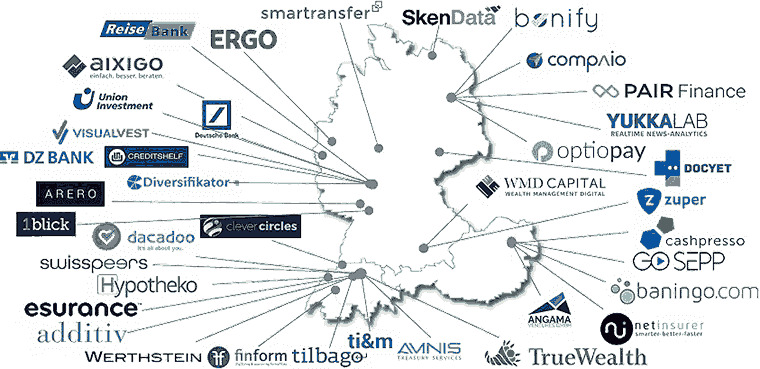
Organisations such as the FinTech Innovation Lab play a practical role in turning ideas into market-ready solutions. Described as a premier global programme, the FinTech Innovation Lab helps cutting-edge fintech startups scale their businesses in competitive markets. By providing mentoring, industry connections and exposure to potential customers and investors, such programmes can accelerate adoption and refine business models to meet regulatory and commercial requirements.
Recognition and benchmarking
Recognition initiatives also shape the sector. The Fintech Innovation 50, unveiled by GGV Capital U.S., is an annual list that highlights the most innovative emerging and established fintech companies. Lists like this create benchmarks, draw attention to successful approaches and help investors, partners and regulators identify influential firms and trends.
Conclusion: implications and outlook
Fintech innovation combines definitional clarity, practical support and public recognition. The FSB’s definition frames the scope of change, labs and programmes provide pathways to commercialisation, and curated lists spotlight leaders and rising challengers. For readers, the implications are clear: businesses should watch these signals to understand potential collaborators and competitors; regulators should monitor technological shifts against systemic risks; and consumers should expect continued evolution in how financial services are offered. Going forward, the interplay between definition, support programmes and recognition will continue to influence which innovations scale and how they reshape the financial sector.