

Southern Water Confronts Major Challenges as Bills Set to Rise Sharply
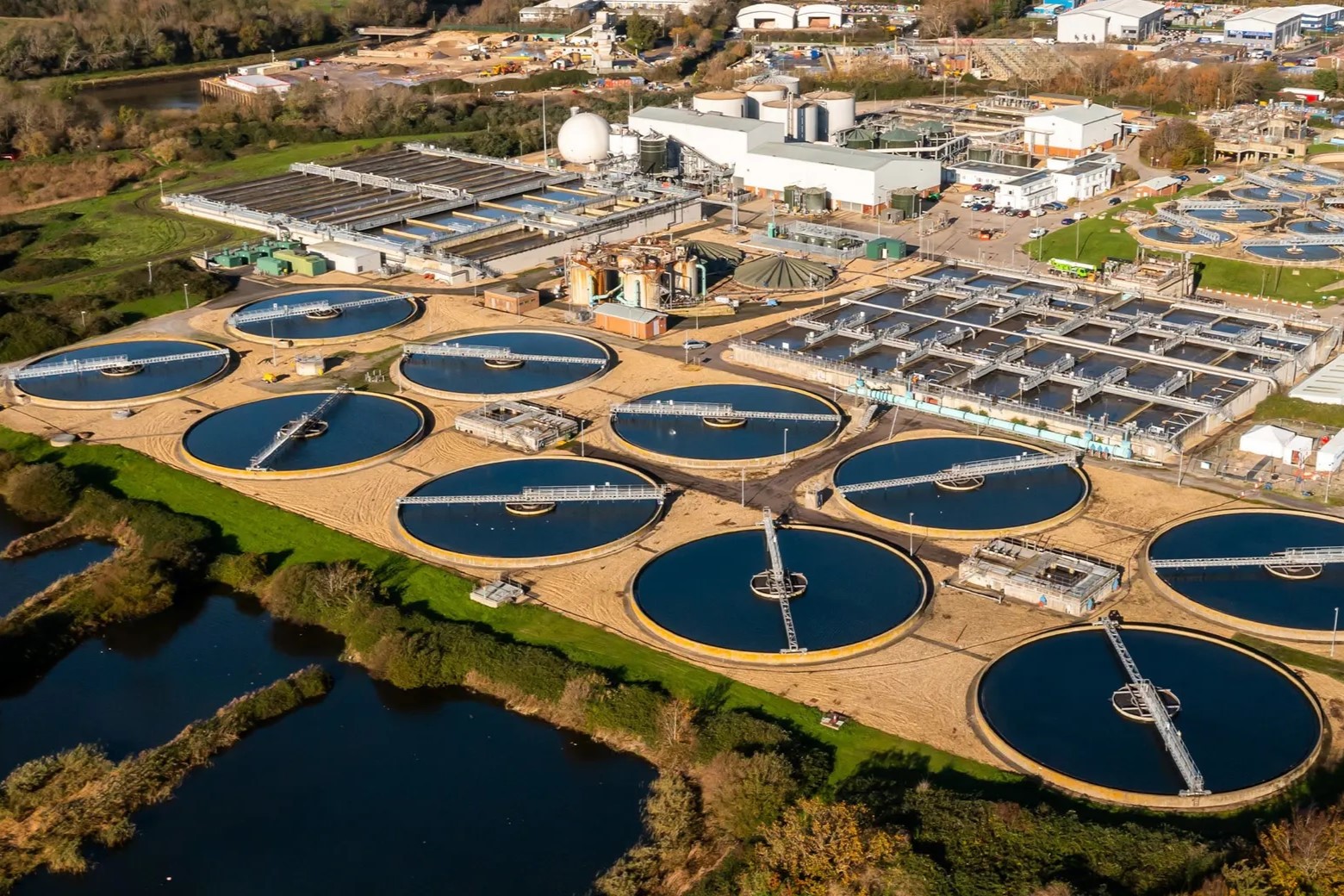
Introduction: A Utility Under Pressure
Southern Water, which serves over 4.7 million customers across Kent, Sussex, Hampshire, and the Isle of Wight, stands at a critical juncture as it grapples with mounting environmental challenges and significant infrastructure investment needs. The company has become a focal point of public concern following a series of pollution incidents and the announcement of substantial bill increases, raising important questions about water utility management and regulatory oversight in the United Kingdom.
Historic Bill Increases Approved
Southern Water customers will see their bills rise by some 53% over the next five years, with annual payments increasing from an average £420 in 2024/25 to £642 in 2029/30. This is the highest increase of all water firms in England and Wales. From April 2025, the typical household bill for combined water and wastewater will rise by 46.7%, from £1.31 per day to £1.93 per day.
The bill increases are part of a £104bn upgrade for the water sector, aimed at addressing environmental concerns and infrastructure deficiencies across the country. Almost £12bn has been allocated to cutting spills from storm overflows by 45% by 2030, from 2021 levels.
Environmental Incidents and Pollution Concerns
Southern Water has faced significant criticism over environmental performance. Millions of biobeads – tiny plastic pellets used to treat wastewater – have washed up on Camber Sands beach and along the East Sussex coastline after being accidentally released into the water following a mechanical fault in October. The company identified a failure of a screening filter which led to beads being released into the sea during heavy rainfall.
More recently, Southern Water chief executive Lawrence Gosden was briefly detained in a citizen’s arrest by members of the Citizen’s Arrest Network as he arrived at a conference in London, with the group accusing him of causing public nuisance linked to alleged sewage discharges and operational failings.
Investment Plans and Infrastructure Upgrades
Despite these challenges, Southern Water is undertaking significant infrastructure improvements. The £2.3 million investment at the Lyndhurst site in the New Forest is designed to improve water quality in the Beaulieu River and reduce the risk of storm overflows, and is part of Southern Water’s broader plans to invest nearly £50 million in facilities across the New Forest.
In its business plan for the next five-year regulatory period, Southern Water has proposed another step-change in investment amounting to approximately £8 billion of expenditure, equivalent to investing circa £3,500 per household. The company aims to invest over £4 billion in its wastewater network to reduce pollution incidents by a further 67 per cent and eliminate Serious Pollution incidents altogether.
Conclusion: Balancing Investment with Affordability
Southern Water’s situation exemplifies the broader challenges facing the UK water industry as it attempts to modernise Victorian-era infrastructure whilst managing customer affordability and environmental responsibilities. The substantial bill increases, though the highest in the sector, reflect the scale of investment required to address decades of underinvestment and meet modern environmental standards. For customers in the South East, the coming years will test whether these unprecedented investments deliver the promised improvements to water quality, reduced pollution incidents, and more resilient infrastructure. The company has expanded support schemes for vulnerable customers, but the 53% bill increase remains a significant burden for households already facing cost-of-living pressures. The success of this transformation will depend on effective delivery, transparent reporting, and sustained regulatory oversight.