

Cryptocurrency Trading: A Practical Guide for Beginners
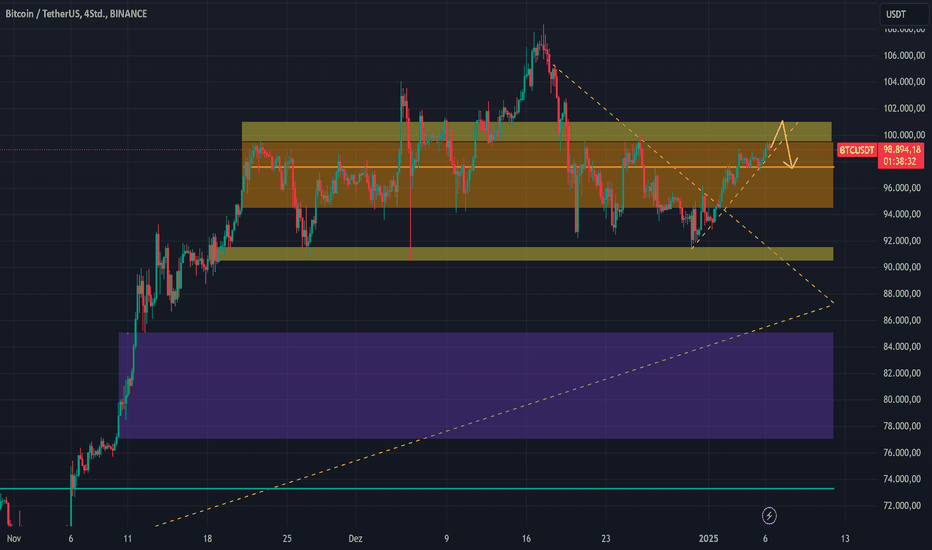
Introduction: Why cryptocurrency trading matters
Cryptocurrency trading has become an important topic for private investors and traders because it offers new ways to gain exposure to digital assets. Its relevance lies in the choice it gives participants: speculate on price movements via derivative products or buy and sell the underlying coins directly. Understanding how each approach works, and the risks involved, is essential for anyone considering the market.
Main body
What is cryptocurrency trading?
Cryptocurrency trading is the act of speculating on price movements or acquiring digital coins in the hope their value will rise. Traders can use a CFD (contract for difference) account to speculate on whether a chosen cryptocurrency will rise or fall, or they can use an exchange to buy and sell the actual coins. Providers such as IG describe CFD trading as a way to take positions without owning the underlying asset.
How does trading via CFDs differ from buying coins?
CFD trading are derivative products that allow traders to profit from price changes without holding the asset. When trading CFDs you do not need a wallet; this contrasts with buying coins on an exchange, where a wallet or custodial service is required to hold the cryptocurrency. CFDs can also offer leverage and require margin, which amplifies both potential gains and losses.
Trading strategies and practical steps
Cryptocurrency trading can resemble stock trading in that traders buy an asset hoping it appreciates. Common approaches include short-term trading to capture price movements and longer-term investing based on perceived future value. Success typically requires learning to analyse market trends, selecting the right cryptocurrencies, and knowing when to enter or exit positions. Discipline, risk management and education are repeatedly emphasised as essential.
Risks and considerations
Trading cryptocurrencies can be risky. Sources note that the long-term market for cryptocurrencies is largely unknown, making even long-term holdings riskier than many other investments. Leverage and margin increase exposure to market swings, and volatility can lead to rapid losses. Traders should be aware of these risks and consider whether CFDs or direct ownership better suit their goals.
Conclusion
Cryptocurrency trading offers multiple routes to participate in digital-asset markets, each with distinct mechanics and risks. For readers considering entry, the key takeaways are to educate yourself on CFDs versus exchanges, understand leverage and margin, and build disciplined strategies. Becoming successful takes time and practice; cautious, informed steps will help manage the uncertainties of this evolving market.