

DWP Cold Weather Payments: Essential Guide to Winter Support for UK Households
Understanding Cold Weather Payments
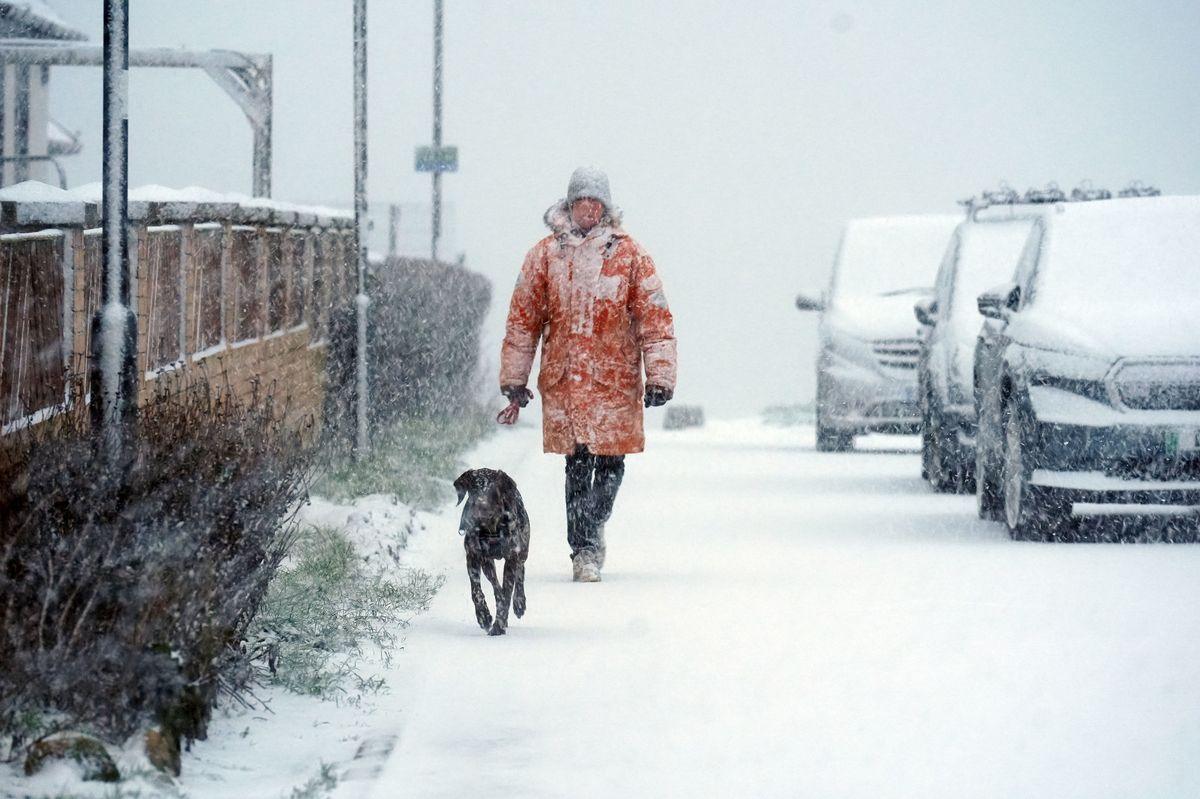
As freezing temperatures grip the United Kingdom, the Department for Work and Pensions (DWP) has activated Cold Weather Payments to support vulnerable households facing increased heating costs. You’ll get £25 for each 7-day period of very cold weather between 1 November 2025 and 31 March 2026. This vital winter support scheme has already been triggered in more than 450 postcode areas across England and Wales during the current winter season.
The timing couldn’t be more critical for struggling households. The money will be particularly useful after the energy price cap increased on 1 January 2026, rising to an annual average of £1,758 for the typical household paying for gas and electricity by direct debit. With amber and yellow weather warnings issued across the country, many families are facing sharply higher heating bills during this prolonged cold snap.
How Cold Weather Payments Work
Cold Weather Payments are triggered when the temperature in your local area is either recorded as, or forecast to be 0°C or below for seven consecutive days. Temperatures must remain at or below freezing for a full week, based on data from local weather stations used by the Department for Work and Pensions (DWP). This means brief overnight frosts or short cold snaps won’t qualify for payment.
Crucially, payments are automatic, there is no need to apply, and the money is paid directly into the same bank account as your benefits. It goes straight into your bank account within 14 working days after the payment is triggered. The system is designed to provide swift support without requiring vulnerable people to navigate complex application processes.
Who Qualifies for Cold Weather Payments
Eligibility depends on both your location and benefit status. Cold Weather Payments are postcode-specific, meaning eligibility depends on where you live — not just how cold it feels. To qualify, you must be receiving certain means-tested benefits including Pension Credit, Universal Credit, Income Support, income-based Jobseeker’s Allowance, or income-related Employment and Support Allowance.
However, not all benefit recipients automatically qualify. People on Universal Credit may only qualify if they also have limited capability for work or have a child under five years old. You’ll usually get Cold Weather Payments if you get Universal Credit, and none of the adults on your claim are employed or self-employed. One of the following must also apply: you have a health condition or disability and have limited capability for work or you have a child receiving disability benefits.
Multiple Payments and Current Triggers
If your area experiences multiple qualifying cold spells, you can receive multiple payments. In early January 2026, some areas qualified twice within just over a week, meaning certain households have already received £50. This unlimited payment structure recognises that winter can bring repeated periods of severe cold, each requiring additional heating expenditure.
According to recent data, this latest trigger covers an estimated 674,000 households. Affected postcodes span from Cumbria and the Lake District to parts of Wales, Norfolk, and the East Midlands. Residents can check their eligibility using the official government postcode checker tool.
Significance for Vulnerable Households
With energy prices remaining high and many households still feeling the impact of cost-of-living pressures, Cold Weather Payments can make a real difference. The DWP has stressed that Cold Weather Payments exist to reduce these risks, particularly for older people, families with young children, and those with disabilities or long-term illnesses.
As winter continues and forecasters predict more cold snaps ahead, additional payments may be triggered across different regions. For eligible households, these automatic £25 payments provide essential financial relief during the coldest and most expensive weeks of the year, helping ensure that vulnerable people can afford to heat their homes safely throughout the winter period.