

FCA Imposes £44 Million Fine on Nationwide Building Society for Financial Crime Control Failures
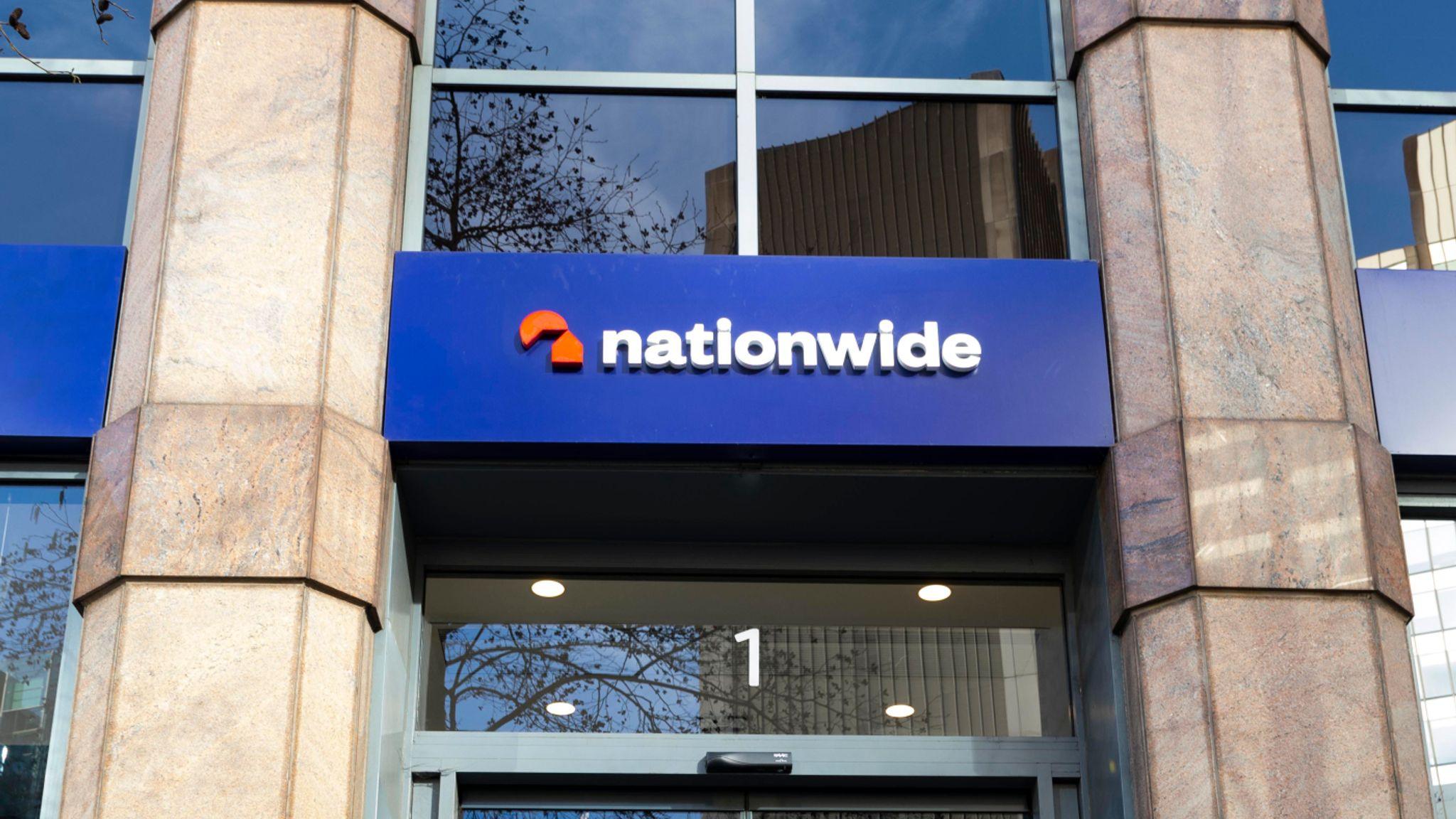
Major Regulatory Action Against UK’s Largest Building Society
The Financial Conduct Authority (FCA) has imposed a substantial £44 million fine on Nationwide Building Society for inadequate anti-financial crime measures between October 2016 and July 2021. This enforcement action represents one of the most significant regulatory penalties issued to a financial institution for failures in combating money laundering and financial crime.
Nationwide is the world’s largest building society, with approximately 18 million UK customers and £170 billion in customer deposits. The regulator’s investigation revealed that the institution’s scale made effective financial crime prevention systems essential, yet critical weaknesses persisted for nearly five years.
Systemic Failures in Customer Due Diligence
During the penalty period, Nationwide had ineffective systems for keeping up-to-date due diligence and risk assessments for all its personal current account customers and for monitoring their transactions. The building society was also aware that some customers were using their personal accounts for business activity, in breach of its terms, yet failed to implement adequate safeguards.
Nationwide did not offer business current accounts at this point, so did not have the right processes in place to manage the financial crime risks from business activity, meaning it was unable to effectively identify, assess, monitor or manage the money laundering risks among its customer base.
Serious Consequences and High-Profile Cases
The regulatory failures had real-world consequences. In one serious case, Nationwide missed opportunities to identify a customer using personal current accounts to receive fraudulent Covid furlough payments, with the customer receiving 24 payments totalling £27.3m over 13 months, with £26.01m deposited over eight days. Though HMRC recovered most of the funds, approximately £800,000 remains outstanding.
Therese Chambers, joint executive director of enforcement and market oversight at the FCA, stated: “Nationwide failed to get a proper grip of the financial crime risks lurking within its customer base. It took too long to address its flawed systems and weak controls, meaning red flags were missed with serious consequences.”
Nationwide’s Response and Remediation
Nationwide identified these issues through its own reviews and voluntarily brought them to the attention of the FCA, cooperating fully with the investigation. A spokesperson acknowledged that the controls “fell below the high standards we expect.”
Nationwide was aware of weaknesses in its systems and controls and undertook work to make improvements. However, it failed to adequately address those weaknesses in a timely manner, subsequently commencing a large-scale financial crime transformation programme in July 2021. The building society would have been fined £62,969,297, but qualified for a 30% discount under the FCA’s processes by agreeing to resolve these matters.
Implications for the Financial Services Sector
This case underscores the critical importance of robust anti-money laundering controls in the UK financial sector. The FCA’s action sends a clear message that institutions must maintain vigilant systems regardless of their size or reputation. For Nationwide’s 16 million members and the broader banking community, the fine highlights ongoing regulatory expectations for financial crime prevention and the serious consequences of compliance failures.