

Gold Price Soars to Historic Heights as Global Uncertainty Drives Demand
Introduction: Why Gold Price Matters Now
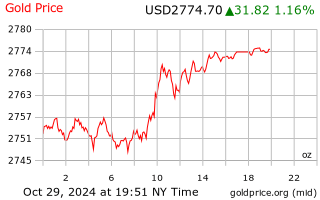
Gold prices have reached unprecedented levels in early 2026, capturing the attention of investors worldwide. Gold rose to 4,873.09 USD/t.oz on January 21, 2026, up 2.30% from the previous day. Over the past month, Gold’s price has risen 9.63%, and is up 76.87% compared to the same time last year, marking one of the most remarkable rallies in the precious metal’s history. This surge reflects growing concerns about economic stability, geopolitical tensions, and the future of monetary policy, making gold more relevant than ever for investors seeking portfolio protection.
Record-Breaking Performance and Market Dynamics
The gold market has demonstrated extraordinary strength entering 2026. In 2025, spot gold surged around 65% higher, smashing multiple price records over the course of the year, and this momentum has continued into the new year. Gold and silver are smashing records to start the new year, with gold this week topping $4,600 an ounce for the first time. The two metals have rallied more than 6% and 22%, respectively, just since New Year’s.
Multiple factors are driving this historic rally. Gold prices rose 1% to above $4,720 per ounce on Tuesday, setting a new record high as renewed US-EU trade tensions strengthened demand for safe-haven assets. Additionally, a meltdown in Japanese government bonds has heightened concerns about the fiscal health of major economies, fueling the “debasement trade” as investors shun currencies and sovereign debt.
Key Drivers Behind the Gold Price Rally
Central Bank Demand
Much of gold’s strength in recent times has been driven by strong central-bank demand — especially from China. The country’s role remains pivotal shaping the gold 2026 outlook. This institutional buying has provided a structural foundation for higher prices, even as gold reaches record levels.
Geopolitical Tensions
The nonstop barrage of news out of Washington in recent weeks — from Venezuela to Iran to Greenland, as well as attacks on U.S. Federal Reserve independence — has added to conviction in precious metals, as signs of a more interventionist U.S. government drive investors into safe haven assets.
Monetary Policy Uncertainty
Investors are awaiting the delayed US PCE inflation report later this week, which could offer further insight into the Federal Reserve’s interest rate outlook. The ongoing debate about central bank independence and the path of interest rates continues to support gold’s appeal as a hedge against policy uncertainty.
Expert Forecasts and Future Outlook
Financial institutions remain bullish on gold’s prospects for 2026. J.P. Morgan Global Research is forecasting prices to average $5,055/oz by the final quarter of 2026, rising toward $5,400/oz by the end of 2027. Meanwhile, the World Gold Council’s analysis shows that gold could rise 5% – 15% in 2026 from current levels, depending on the severity of the economic slowdown. The combination of lower interest rates and a weaker dollar have historically been a source of support for gold.
Conclusion: Significance for Investors
The gold price rally represents more than just a short-term market phenomenon. Gold enters 2026 carrying the momentum of a historic multi-year rally—yet what’s interesting is how uncrowded the market still feels. Even after breaking records through 2024 and 2025, gold is often described as ‘overbought’ but almost never ‘over-owned.’ And that difference matters.
For investors, gold’s performance underscores its enduring role as a safe-haven asset during times of uncertainty. Whether geopolitical tensions escalate further or economic conditions deteriorate, gold appears well-positioned to maintain its appeal. Gold is an attractive investment during periods of political and economic uncertainty, and 2026 is shaping up to be exactly such a period. As central banks continue accumulating reserves and investors seek protection against currency debasement, gold’s fundamental case remains compelling for portfolio diversification and wealth preservation.