

Mortgage rates: Impacts, trends and what borrowers should consider
Introduction: Why mortgage rates matter
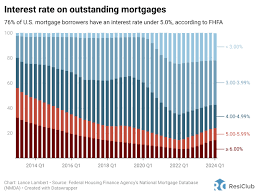
Mortgage rates determine the cost of borrowing to buy a home and are a central factor in household finances and the housing market. Changes in mortgage rates affect monthly payments, affordability, demand for property and the decisions of prospective buyers and remortgagers. Understanding how mortgage rates are set and what influences them is essential for anyone planning to buy, refinance or manage housing costs.
Main body: What affects mortgage rates and what borrowers should know
Drivers of mortgage rates
Mortgage rates are influenced by a range of economic and market factors. Central bank policy, such as changes to a base interest rate, sets a reference point that feeds into lending costs. Broader economic indicators—like inflation, employment and GDP growth—shape expectations for future rates. Financial markets, including government bond yields and lender funding costs, also play a role because banks price loans based on the cost and availability of funds.
Type of mortgage and borrower profile
Different mortgage products carry different rates: fixed-rate deals lock a rate for an agreed term, while variable-rate mortgages move with a reference rate or lender standard variable rate. Loan-to-value (LTV) ratios, credit history and the size of the deposit or equity influence the rate offered. Lower LTVs and stronger credit typically secure more favourable rates because they reduce lender risk.
Practical steps for borrowers
Shoppers should compare offers from multiple lenders and consider total borrowing costs, fees and early repayment charges, not just headline rates. Locking in a fixed rate can provide certainty for budgeting, whereas variable products may be cheaper initially but expose borrowers to future increases. Paying a larger deposit, improving credit scores and seeking professional mortgage advice can help secure better terms.
Conclusion: Outlook and significance for readers
Mortgage rates are shaped by complex and interlinked economic forces, and future movement is inherently uncertain. For readers, the key is to assess personal circumstances, factor in possible rate volatility and plan for affordability under different scenarios. Regularly reviewing mortgage options and seeking independent advice can help homeowners and buyers manage costs and make informed decisions as conditions evolve.