

Understanding Council Tax: What It Means for Households
Introduction: Why council tax matters
Council tax is one of the most direct links between households and local public services. Levied on residential properties, it helps fund schools, social care, waste collection, local roads and other services that affect daily life. Because bills are paid by millions of households, changes to council tax rates or structure are politically sensitive and have immediate consequences for family finances and council budgets.
Main body: How council tax works and current pressures
Basics of calculation and reliefs
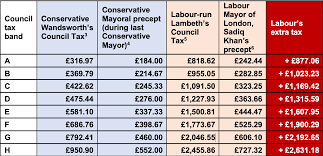
Council tax is charged on domestic properties and is typically calculated according to a band assigned to the property. Local authorities set a charge for each band annually to meet budget needs, taking into account precepts for services such as policing or fire where applicable. Many councils and central legislation provide discounts and exemptions: for example, single occupancy discounts, student exemptions and reductions for certain disabled households. These measures are intended to target relief to those least able to pay.
Financial pressures and debates
Local authorities face competing demands: rising costs for care and services, expectations for improved infrastructure, and constrained resources. Councils often respond by adjusting council tax levels, seeking efficiencies or requesting additional funds from central government. These choices prompt debate about fairness, as property-based levies do not directly reflect current income for many households. Concern over affordability is particularly acute for people on fixed incomes or in areas with rapidly rising property values.
Calls for reform
There is ongoing discussion about how to make council tax more equitable and responsive. Proposals range from recalibrating band thresholds to introducing exemptions or targeted rebates for low-income households, and from improving transparency in how funds are used to broader redesigns of local government finance. Any change involves trade-offs between revenue stability for councils and affordability for residents.
Conclusion: What readers should watch
Council tax will remain a central issue for local communities. Residents should check entitlements to discounts and exemptions and monitor council budget consultations, which often determine annual charge decisions. At a national level, discussions about reform and funding mechanisms will affect local services and household bills in the years ahead. For individuals and policymakers alike, the challenge is balancing secure funding for services with fairness and affordability for households.