

Understanding Cryptocurrency Trading: Trends, Risks and Outlook
Introduction: Why cryptocurrency trading matters
Cryptocurrency trading has moved from niche communities into mainstream finance, attracting retail and institutional participants worldwide. Its importance lies in the combination of high volatility, 24/7 markets and the ongoing development of blockchain technology, which together create both opportunities and risks for investors, traders and policymakers. Understanding these dynamics helps readers make informed decisions and manage exposure.
Main body: Market features, participants and recent dynamics
Market structure and participants
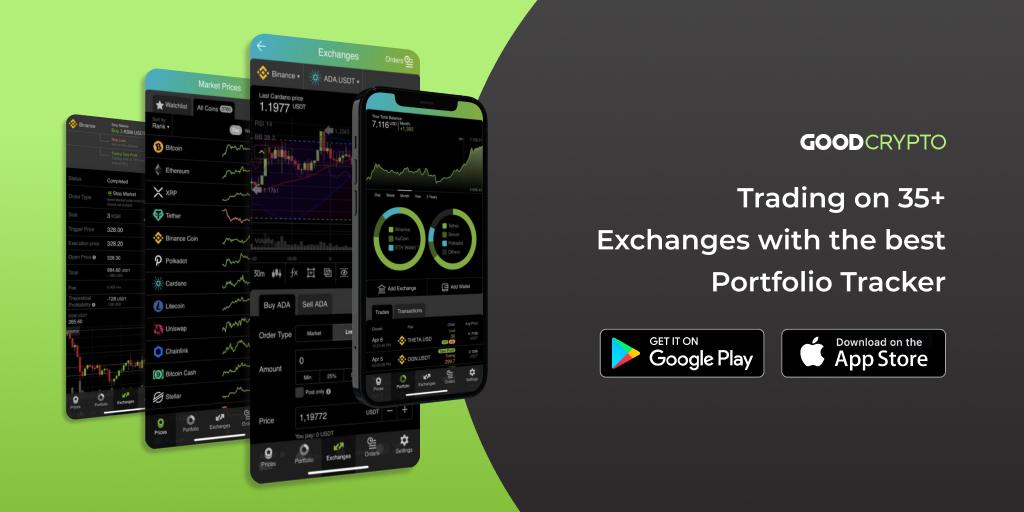
Cryptocurrency trading takes place across centralised exchanges, decentralised exchanges (DEXs) and peer-to-peer platforms. Centralised exchanges offer order books, leverage and fiat on‑ramps, while DEXs enable direct wallet-to-wallet trades through smart contracts. Participants range from retail traders seeking short-term gains to institutional investors and market makers providing liquidity. The differing motives and tools used by these groups shape price behaviour and liquidity conditions.
Volatility and trading strategies
Cryptocurrency markets are known for rapid price swings. Traders commonly use strategies such as spot trading, derivatives (including futures and options), algorithmic trading and arbitrage between venues. Risk management tools — stop-loss orders, position sizing and diversification — are essential due to the potential for significant losses during sudden market moves.
Security and custody considerations
Security remains a central concern: exchange hacks, wallet mismanagement and social engineering have led to substantial losses historically. Custody solutions vary from self-custody of private keys to institutional custody services that offer insured storage and compliance controls. Choosing reputable platforms and understanding custody arrangements are key to reducing operational risk.
Regulation and compliance
Regulators globally are increasingly focused on the cryptocurrency sector, seeking to address anti-money laundering, consumer protection and market integrity. While approaches differ by jurisdiction, increased oversight tends to influence market practices, product offerings and the cost of doing business for trading platforms.
Conclusion: What readers should take away
Cryptocurrency trading presents both opportunity and risk. As the market matures, expect greater institutional participation, tighter regulatory frameworks and evolving custody solutions. For individual traders, disciplined risk management, platform due diligence and ongoing education are essential. Monitoring regulatory developments and market infrastructure improvements will help readers navigate this dynamic market.