

Understanding DWP Payments and Their Impact on Your Finances
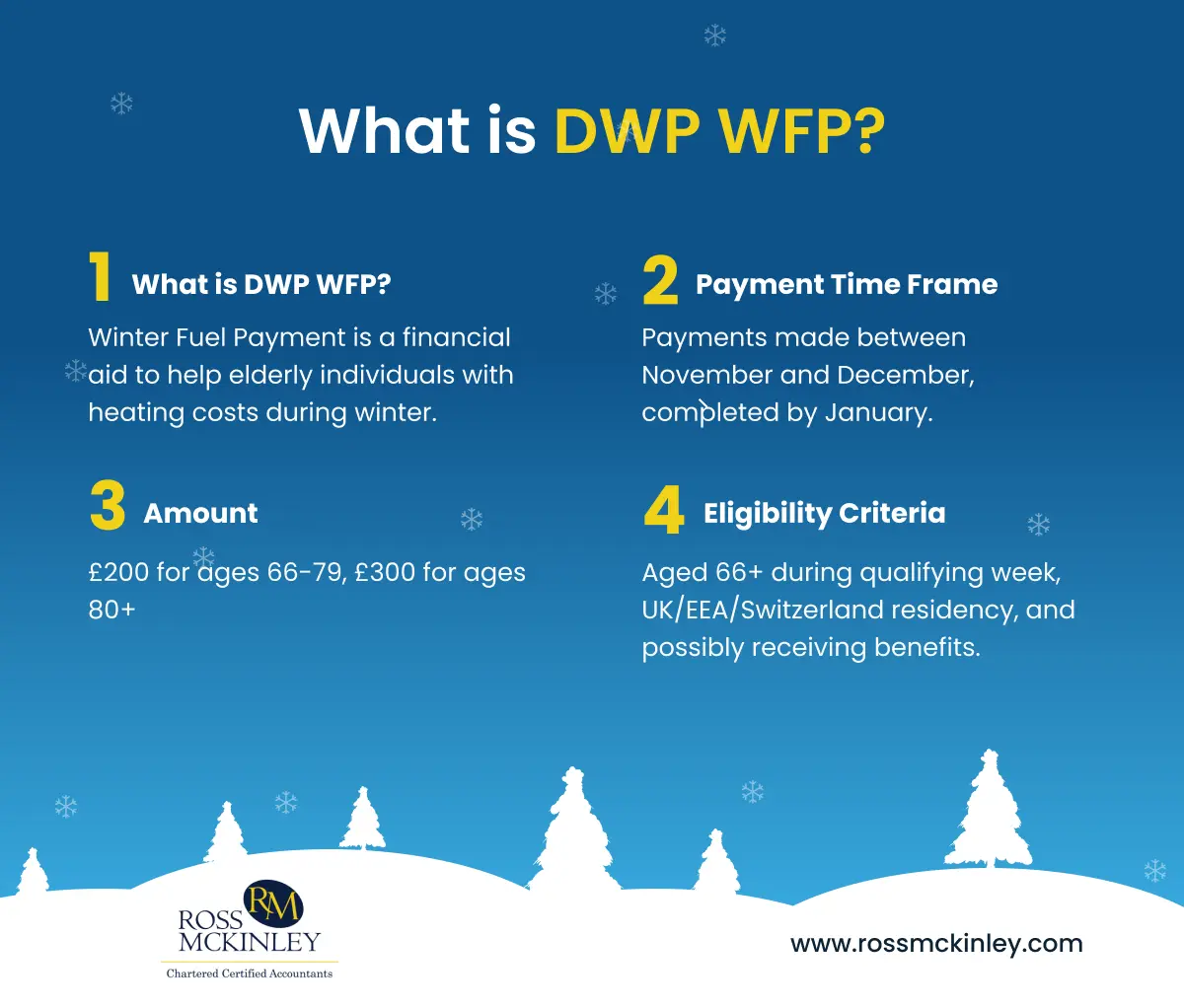
Introduction to DWP Payments
The Department for Work and Pensions (DWP) plays a crucial role in the lives of millions in the United Kingdom, overseeing various welfare benefits and pensions. With economic challenges heightened by factors such as the COVID-19 pandemic and ongoing cost-of-living crises, understanding DWP payments has never been more essential. These payments not only provide financial assistance but also support individuals in achieving a better standard of living.
Types of DWP Payments
The DWP administers several key benefits designed to assist different sectors of society. These include:
- Universal Credit: A payment intended for low-income individuals or families, consolidating several benefits into a single monthly payment.
- Jobseeker’s Allowance: Financial support for those actively seeking work.
- Personal Independence Payment: A benefit aimed at assisting those with long-term health conditions or disabilities to cover extra costs.
- Pension Credit: Additional financial support for pensioners on low incomes.
- Employment and Support Allowance: Support for those unable to work due to illness or disability.
Recent Changes and Developments
In recent months, there have been notable changes within the DWP, including updates to eligibility criteria and processing times due to increased demand. The recent rollout of a cost-of-living payment scheme has provided one-off support to vulnerable households. According to the latest data from the DWP, over 8 million households have already benefited from these additional payments since their introduction in 2023.
Moreover, the DWP has enhanced its online services, allowing quicker access to information regarding payments and assistance support. The integration of technology aims to streamline the application process, making it easier for individuals to receive the help they need.
Significance of DWP Payments
DWP payments represent a lifeline for many individuals during challenging economic times. The importance of these payments extends beyond mere financial support; they contribute to social stability by reducing poverty and assisting those in precarious financial situations. The DWP reported that approximately 20% of the UK population relies on some form of benefit, highlighting the pivotal role these payments play in everyday lives.
Conclusion: Looking Ahead
As the economic landscape continues to evolve, the Department for Work and Pensions is likely to face further scrutiny and adjustments to its payment structures. Future assessments may lead to an expansion of benefits or adjustments in payment amounts. Staying informed about DWP payments is essential for maximising potential support and ensuring financial security. For readers, understanding these aspects can provide insight into available resources and empower more informed financial decisions.