

Understanding Statutory Sick Pay in the UK
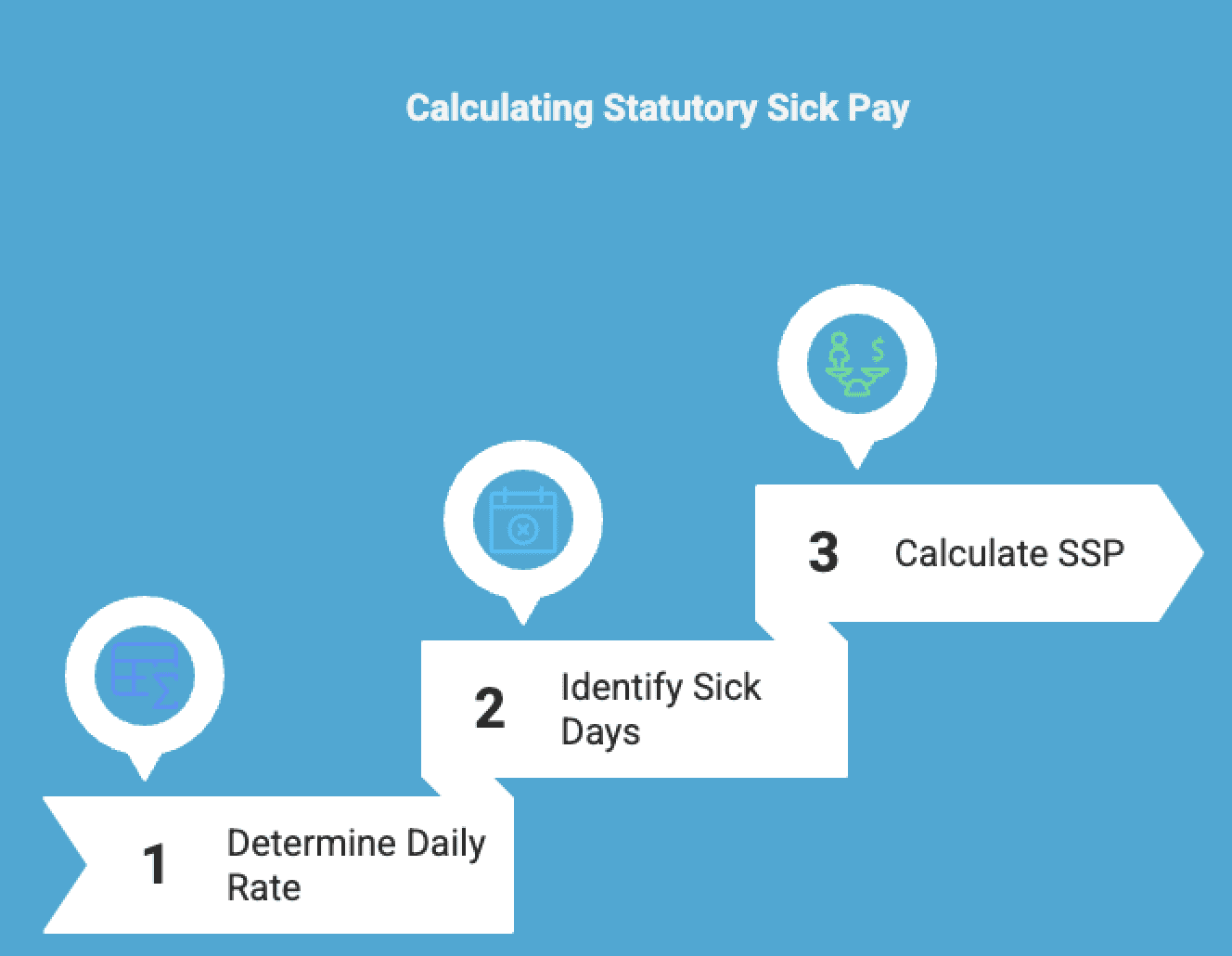
Introduction: Why statutory sick pay matters
Statutory sick pay is a central part of the United Kingdom’s social safety net for working people. It provides a guaranteed, minimum level of income for employees who are unable to work because of illness, ensuring some financial protection while they recover. The topic is relevant to employees, employers and HR professionals, as it defines a legal baseline for sick pay and affects workplace absence policies and budgeting.
Main body: What statutory sick pay is and how it works
Definition and legal role
Statutory sick pay (SSP) is a United Kingdom social security benefit that employers pay to staff who are off work due to sickness. It represents the minimum amount employers must provide to eligible employees who cannot perform their work because of illness. As such, SSP sets a floor beneath which employer-provided sick pay cannot fall, though some employers offer enhanced or contractual sick pay above this statutory minimum.
Responsibility and eligibility
Responsibility for paying statutory sick pay lies with the employer: SSP is paid by an employer to employees who are off work because of sickness. While the concept is consistent across the UK, not all employees will necessarily receive SSP in every situation — entitlement is linked to eligibility criteria that employers and employees should be aware of. In practice, SSP is the legally required minimum that applies where eligibility is met.
Practical implications for workplaces
For employers, statutory sick pay is an unavoidable element of employment costs and absence management. It is reflected in payroll processes and HR absence policies. For employees, SSP provides a basic safeguard during periods of illness, helping to ease the immediate financial impact of being unable to work.
Conclusion: Significance and next steps for readers
Statutory sick pay plays an important role in supporting income continuity for ill employees and establishing a legal minimum for employer-paid sick benefits. Its existence influences employer policy design and employee expectations. Readers should view SSP as the baseline protection; employers may offer enhanced pay, and employees should check their specific entitlement and employer policies to understand how SSP applies to their circumstances.