

Understanding the BAE share price: drivers and outlook
Introduction: Why the BAE share price matters
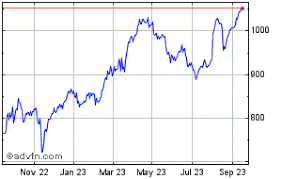
The BAE share price is closely watched by investors, analysts and policymakers because BAE Systems is one of the United Kingdom’s largest defence and security companies. Movements in the share price reflect market sentiment about defence spending, contract wins, earnings prospects and broader economic conditions. For private and institutional investors alike, understanding what drives the BAE share price helps inform portfolio decisions and risk management.
Main factors influencing the BAE share price
Defence contracts and government spending
Large contracts and national defence budgets are primary drivers of BAE’s revenue outlook. Announcements of major procurement programmes, export approvals or international partnerships can support investor confidence, while delays or cancellations may exert downward pressure on the share price.
Earnings, dividends and financial guidance
Quarterly and annual financial results, guidance from management and dividend policy materially affect valuation. Improvements in margins, cost control or positive revisions to outlooks tend to be received favourably by markets.
Geopolitical risk and global demand
Heightened geopolitical tensions can increase demand for defence capabilities and potentially boost sentiment toward defence contractors, while de-escalation or shifts in global priorities can reduce perceived near-term demand.
Macroeconomic and currency effects
Interest rates, inflation and sterling exchange rates can influence investor sentiment and reported results, particularly for a multinational group with costs and revenues in multiple currencies.
How investors can monitor the BAE share price
For up-to-the-minute information, check reliable financial news sites, official stock exchange listings and broker platforms. Company regulatory announcements, investor presentations and quarterly reports provide verified detail on performance and strategic developments. Diversifying information sources—such as analyst research and independent market commentary—helps form a rounded view.
Conclusion: Outlook and what to watch
The near-term trajectory of the BAE share price will depend on a mix of company-specific news (contract awards, results and guidance), government procurement decisions and broader economic trends. Investors should watch upcoming earnings releases, major contract announcements and shifts in defence policy. As always, assess exposure to sector-specific risks and consider how BAE fits your investment time horizon and risk profile.