

What is the Cold Weather Payment and how it helps
Introduction: why Cold Weather Payment matters
Cold Weather Payment is a targeted UK government support measure designed to help people on low incomes meet extra heating costs when temperatures fall. It aims to reduce health risks linked to cold homes, particularly for older people, families with young children and those with long-term health conditions. Understanding how it works is important for eligible households and advisers who help vulnerable residents plan for winter.
Main body: how the scheme works and who benefits
Trigger and timeframe
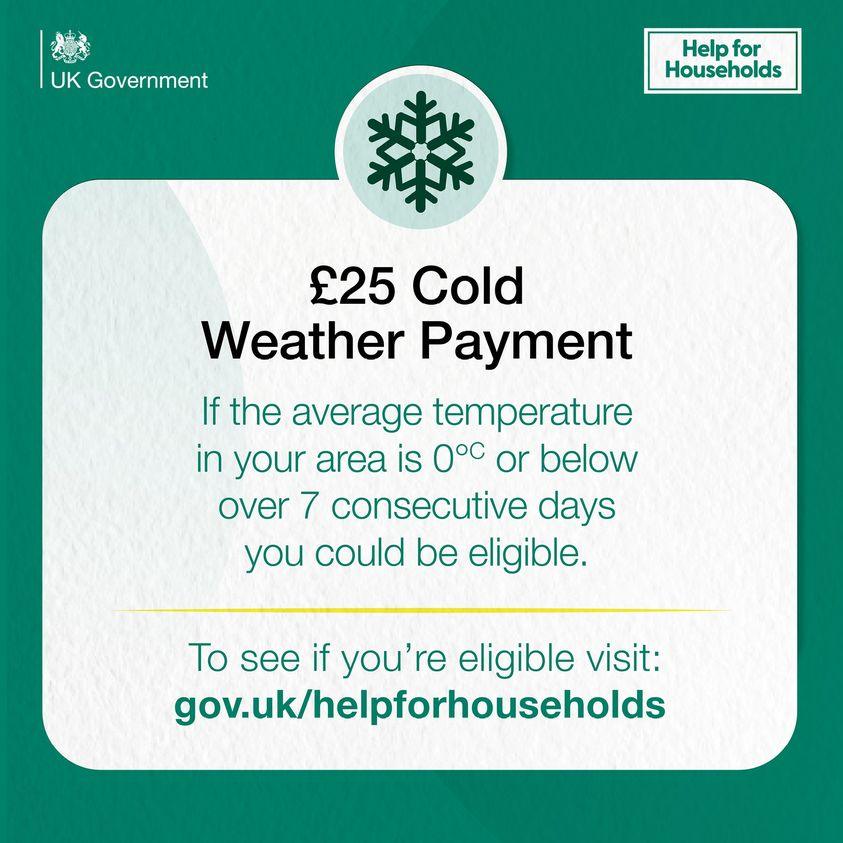
The payment is made automatically when the Met Office records an average temperature of 0°C or below for seven consecutive days in a claimant’s local area. The Cold Weather Payment season runs from 1 November to 31 March each year. When the weather trigger is met, a fixed weekly payment is issued for each qualifying seven‑day period.
Value and delivery
The scheme provides a set amount for each qualifying period to help with additional fuel costs. Payments are usually made automatically to eligible claimants — there is no separate application process — and are issued by the Department for Work and Pensions (DWP).
Eligibility
Cold Weather Payment is available to people receiving certain income‑related or means‑tested benefits. Typical qualifying benefits include Pension Credit, Income Support, income‑based Jobseeker’s Allowance, income‑related Employment and Support Allowance and some Universal Credit recipients. Exact eligibility depends on an individual’s benefit entitlement and address, so claimants should check their status with DWP or on the official government website.
How to check and update details
Because payments are automatic, it is important that DWP holds up‑to‑date address and benefit details. Anyone unsure whether they qualify should contact DWP or visit the gov.uk pages on Cold Weather Payment for guidance and contact information.
Conclusion: significance and practical advice
Cold Weather Payment plays a small but meaningful role in protecting health and wellbeing during cold snaps by helping eligible households with additional heating costs. For readers who claim means‑tested benefits, checking eligibility and ensuring benefit records are current can help secure timely payments when cold weather strikes. For carers and advisers, signposting vulnerable people to official guidance and local support services can reduce winter health risks and fuel‑related hardship.