

What Moves the Lloyds Share Price?
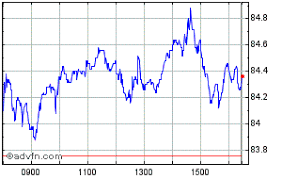
Introduction: Why Lloyds share price matters
The Lloyds share price is closely watched by investors, savers and the wider UK economy. As one of the country’s major retail and commercial banks, movements in its share price can signal changing expectations about interest rates, lending conditions and overall economic health. For shareholders and market observers, understanding the drivers behind the share price is essential for making informed decisions.
Main drivers of the Lloyds share price
Macroeconomic conditions
Broad economic indicators such as inflation, GDP growth and unemployment influence banks’ lending activity and net interest margins. Expectations about central bank policy — particularly changes to base interest rates — often have a direct effect on profitability forecasts for lenders, and therefore on the Lloyds share price.
Regulatory and policy developments
Banking regulation, capital requirements and government policy on housing and consumer credit can affect operational costs and risk-weighted assets. Any regulatory announcements or shifts in policy may prompt reassessments of Lloyds’ future profitability and risk profile.
Company performance and guidance
Quarterly results, dividend statements and management guidance are immediate drivers of short-term share price movements. Investors pay attention to loan growth, mortgage pipelines, impairment charges and cost-control measures when recalibrating valuations.
Market sentiment and sector trends
Sentiment towards the UK banking sector, including comparisons with peers, influences the Lloyds share price. Broader market trends, investor appetite for financial stocks and international flows into UK equities also play a role.
What investors are watching
Investors typically monitor upcoming earnings releases, commentary from the Bank of England, and changes in credit conditions. Analysts’ revisions to earnings forecasts or dividend expectations can alter the valuation of the stock. In addition, developments in mortgage demand and corporate lending inform medium-term expectations.
Conclusion: Outlook and significance
The Lloyds share price will continue to reflect a mix of macroeconomic signals, regulatory developments and company-specific news. While short-term volatility is possible, longer-term movements will hinge on the bank’s ability to sustain lending margins, control costs and manage credit risk. For readers, staying informed about these core factors—rather than reacting to isolated price moves—provides a clearer view of the stock’s prospects.