

What Moves the Lloyds Share Price and What Investors Should Watch
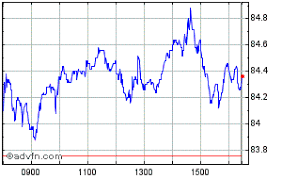
Introduction — why the Lloyds share price matters
The Lloyds share price is a focal point for UK investors, savers and wider market watchers because Lloyds is one of the country’s largest retail banks. Movements in its share price can reflect broader sentiment about the UK economy, banking-sector health and interest-rate expectations. For shareholders and those tracking household finance, understanding why the Lloyds share price rises or falls helps in assessing risk, dividend prospects and portfolio allocation.
Key drivers affecting the share price
Several interlinked factors typically influence the Lloyds share price. Macro-economic conditions such as UK growth, inflation and central bank policy shape banks’ net interest margins and credit demand, which in turn affect revenue potential. Regulatory developments and supervisory actions can alter capital requirements or constrain business lines, influencing investor perceptions.
Company-specific elements are also central. Earnings performance, cost control, loan impairment allowances and strategic initiatives — for example changes in digital services or branch networks — feed into market expectations. Dividend policy and capital return plans are closely watched by investors; announcements about payouts or buybacks tend to influence short- and medium-term share-price behaviour.
Market sentiment and global risk appetite play a role too. Broader equity-market moves, sector rotation and investor preference for value or growth stocks can amplify share-price swings. Finally, geopolitical events and shocks to financial markets can have an outsized, sometimes abrupt, impact on bank shares including Lloyds.
Where to find reliable, up-to-date information
For live figures and official announcements, investors should consult primary sources such as the London Stock Exchange, Lloyds Banking Group’s investor relations pages and regulatory filings. Reputable financial news outlets and licensed brokers provide real-time quotes and analysis. It is important to rely on verified sources rather than informal channels when making investment decisions.
Conclusion — outlook and what readers should take away
The Lloyds share price encapsulates a mix of macro trends, sector dynamics and company results. While short-term volatility is common, longer-term movements reflect underlying economic and financial conditions. Readers should monitor official reporting, macro indicators and regulatory updates to form a view, and consider consulting a financial adviser for decisions tailored to personal circumstances.