

Understanding Oatly oat milk: uses, benefits and considerations
Introduction: Why Oatly oat milk matters
Oatly oat milk has become a widely recognised alternative to dairy, attracting attention from consumers, cafés and retailers. Interest in oat-based milks reflects broader shifts in dietary preferences, concerns about lactose intolerance and growing interest in the environmental footprint of food. For many readers, choosing between dairy and plant-based alternatives is both a matter of taste and a reflection of personal values, making the topic of Oatly oat milk relevant for everyday shopping and meal planning.
Main details: What Oatly oat milk is and how it is used
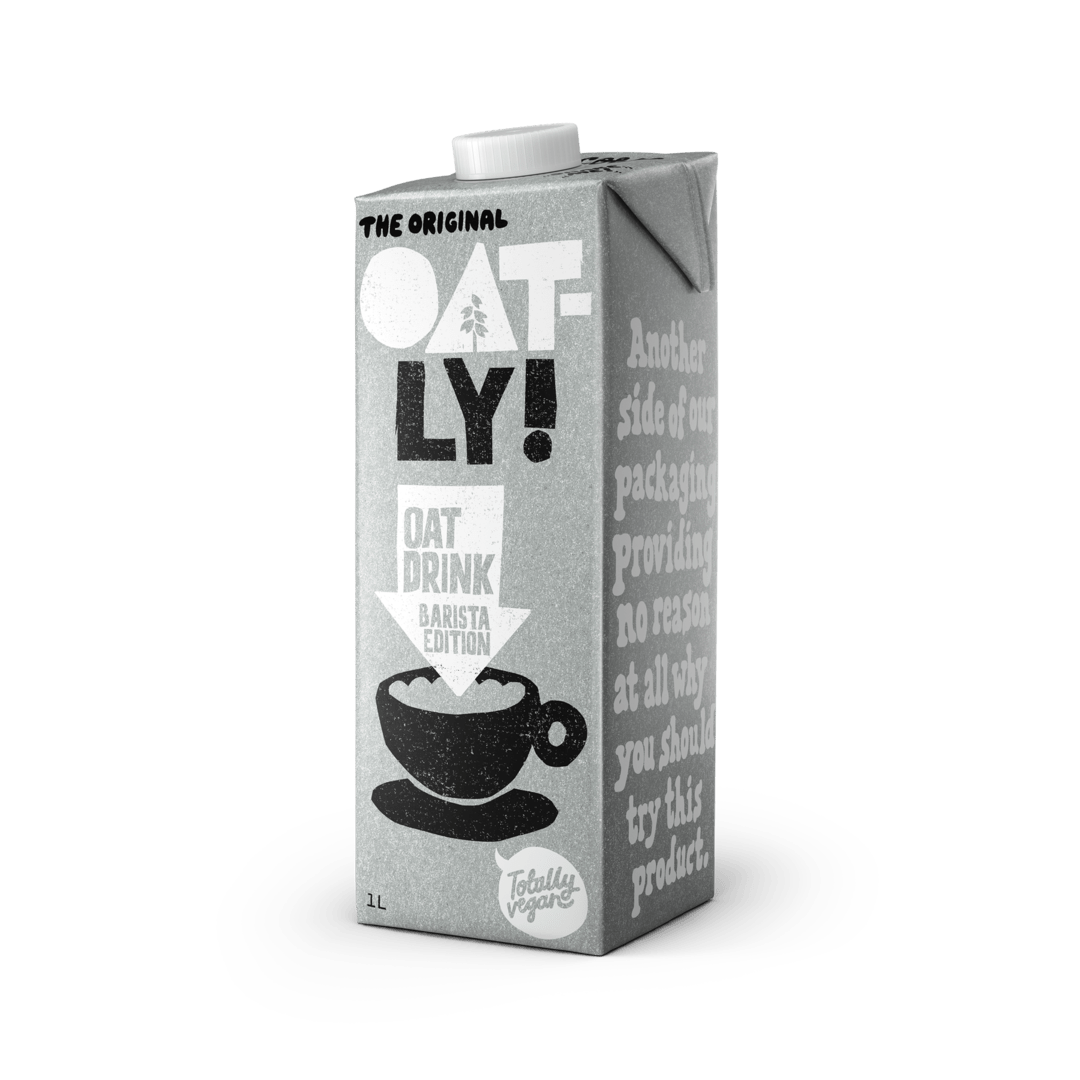
Oatly oat milk is an oat-based beverage used as a substitute for cow’s milk in drinks and cooking. It is often chosen for its creamy texture and ability to froth, which makes it popular in coffee shops and for home baristas. People commonly use oat milk in hot drinks, cereal, baking and cooking where a dairy-free option is preferred.
Nutrition and labelling
As with many plant-based milks, formulations vary between products. Oat-based milks can provide carbohydrates and some dietary fibre from oats. Many commercial oat milks are fortified with vitamins and minerals to provide nutrients that those switching from dairy may miss; consumers should check labels to confirm the exact nutritional profile and any added sugars or oils.
Sustainability and consumer choice
One reason for oat milk’s popularity is its perception as a lower-impact alternative to some animal-based options. Consumers often consider factors such as land and water use, and many choose oat milk as part of a broader move towards plant-forward diets. Individual priorities — taste, nutrition, price and availability — will influence purchasing decisions.
Conclusion: Significance and outlook
Oatly oat milk is part of a larger trend towards plant-based beverages that cater to dietary needs and environmental concerns. For readers, the practical implications are straightforward: check product labels for nutritional content, consider how you plan to use the milk (for coffee, cooking or cereals), and weigh taste and cost against any sustainability priorities. As consumer demand evolves, oat milk options are likely to remain a prominent choice on supermarket shelves and in cafés.