

Harrogate Town: New Training Ground Plans Signal Ambitious Future Despite League Struggles
Introduction: A Pivotal Moment for Harrogate Town
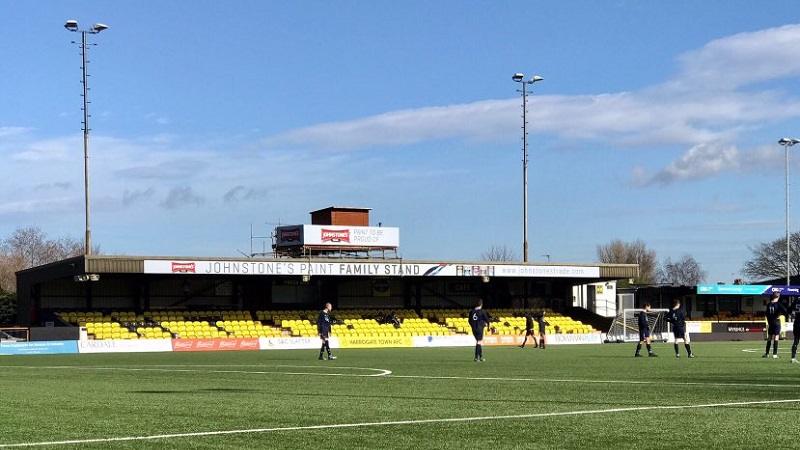
Harrogate Town Association Football Club stands at a crucial juncture in its relatively brief English Football League history. The League Two club has submitted plans to build a brand new £2.75 million training ground at Wetherby Racecourse, with Leeds City Council receiving a formal planning application for the facility. This development comes at a time when the Yorkshire club faces significant challenges both on and off the pitch, making it a story of resilience and long-term planning that resonates beyond the football pitch.
The Training Ground Project: Building for the Future
The proposed training ground represents a significant opportunity to deliver a high-quality sporting facility that will benefit Harrogate Town AFC, grassroots football, schools and the wider community, featuring a grass pitch and a 3G artificial surface, along with a single-storey building containing changing rooms, a gym, offices and a dining area. The club, which currently trains at Rothwell Juniors in Leeds, has been in need of their own permanent base since arriving in the Football League in 2020, when promotion required them to replace their artificial 3G playing surface with grass to comply with EFL rules.
The facility will support the work of the Harrogate Town Community Foundation, whose mission is to motivate, educate and inspire people to improve their quality of life, and will generate employment opportunities during both construction and operation, including coaching, facility management and support roles. A full planning application from the club and Wetherby Steeplechase Committee is out for consultation until December 31.
On-Field Challenges in League Two
Whilst planning for the future, Harrogate Town faces immediate challenges in maintaining their League Two status. Despite breezing through the group stage of the Vertu Trophy, Simon Weaver’s side have struggled in the fourth tier this season, currently sitting second bottom in League Two, having not won in the league since 27 September when they beat Gillingham 1-0, with a run of six losses and two draws in the following eight games leaving them a point from safety. This is the Yorkshire side’s sixth straight season in League Two and manager Weaver’s 17th in charge.
Conclusion: A Club Building Foundations
Harrogate Town’s story exemplifies the challenges facing smaller clubs in English football’s pyramid system. The training ground project demonstrates the club’s commitment to establishing proper infrastructure that will benefit not only the first team but also youth development and the local community for years to come. While current league form presents immediate concerns, the long-term investment in facilities suggests a club thinking strategically about its future. For supporters and the wider Harrogate community, these developments represent hope that the club can stabilize its position in the Football League whilst creating lasting benefits beyond match days. The coming months will prove critical as the planning application progresses and the team battles to climb away from the relegation zone.