

Owen Hargreaves: From Midfield Engine to After-Career Roles
Introduction
Owen Hargreaves remains a significant name in modern British football. A Canadian-born midfielder who elected to represent England at senior international level, Hargreaves combined technical ability with intense work-rate. His career highlights debates about player welfare, injury management and the fine margins that separate long-term success from a career curtailed by recurring physical problems. For fans and football professionals alike, his story underlines the importance of medical care, squad depth and post-playing pathways.
Main body
Playing profile and club career
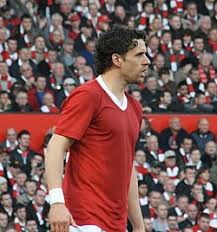
Hargreaves made his name in elite European football as a versatile central midfielder, comfortable in defensive and box-to-box roles. He spent the most successful portion of his club career in Germany before moving to the Premier League, where he featured for one of England’s biggest clubs. Known for his disciplined positioning, passing range and stamina, he was valued by managers for the balance he brought to midfield.
International recognition
Although born in Canada, Hargreaves chose to play international football for England. His performances at club level earned him regular call-ups and he was part of England squads at major tournaments in the 2000s. His international career showcased his ability to perform at the highest level, but was also interrupted at times by recurring injuries.
Injuries and their impact
Recurring knee problems and operations had a significant impact on Hargreaves’ availability and momentum. These injuries limited his playing time in key seasons and prompted wider conversations about medical treatment, rehabilitation and the long-term effects of high-intensity professional sport. For many observers, Hargreaves’ career is a prominent example of how physical setbacks can alter the trajectory of a top-level player.
Transition after playing
After retiring from playing, Hargreaves moved into roles that kept him close to the game, including media work and involvement in coaching and support capacities. His experience as a player who faced both success and adversity has informed his commentary and work with younger players.
Conclusion
Owen Hargreaves’ career offers lessons for fans, professionals and administrators: elite talent must be matched by careful medical oversight and clear post-career pathways. While injuries limited what he might have achieved on the pitch, his continued presence in football through media and coaching keeps his insights relevant. For readers, his story is a reminder of the human side of elite sport and the ongoing need to protect player welfare at every level.