

How Champions League Standings Shape Progression and Interest
Introduction: Why Champions League standings matter
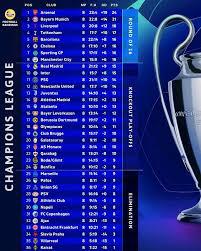
The Champions League standings are one of European football’s most closely watched measures of success and risk. They determine which clubs move forward in the competition, which face elimination or alternate routes, and they influence club finances, seeding and supporter expectations. For fans, journalists and club officials, shifts in the standings can change priorities overnight — from consolidating domestic form to targeting decisive European fixtures.
Main developments and implications
Progression and competitive dynamics
Standings reflect the immediate competitive picture in each group and provide a running narrative for the tournament. As matches are played, positions can evolve rapidly, often hinging on a single result or late goals. The placement of clubs in the table determines who advances to the later rounds and who must reassess their European ambitions. For clubs in tight groups, goal difference, head-to-head results and consistency across fixtures become critical factors.
Seeding, finances and scheduling
Where a team sits in the standings also has knock-on effects beyond the pitch. Higher placement influences seeding for future rounds, which in turn affects the level of opposition a club may face. This has financial consequences: continuing in the competition typically delivers increased matchday revenue, broader broadcast exposure and commercial opportunities. Furthermore, clubs juggling domestic leagues and European ties must manage squad rotation and travel, with standings often informing how managers allocate resources.
Supporters and wider interest
For supporters, standings are a focal point for discussion and debate. They shape expectations and can alter the atmosphere around a club. Media coverage intensifies as positions fluctuate, and fan engagement — from ticket sales to social media activity — often follows the trajectory of the table. The standings also influence neutral interest, with close groups generating narrative tension across national boundaries.
Conclusion: What readers should watch next
Champions League standings provide an evolving snapshot of the competition’s balance of power. In the coming fixtures, small margins may determine which clubs progress and which must reassess their season objectives. Readers should watch decisive matchdays, tiebreak criteria and injury or suspension news, as these elements commonly tilt the standings. Ultimately, the table is more than numbers: it is the map clubs and supporters use to navigate the remainder of the European campaign.