

Dwight Yorke: From Treble Winner to Football Ambassador
Introduction: Why Dwight Yorke Still Matters
Dwight Yorke remains one of the most recognisable names in modern British and Caribbean football. Best known for his pivotal role in Manchester United’s 1998–99 treble-winning season, Yorke’s career and post-playing activities continue to attract attention from fans, pundits and young players alike. Understanding his legacy and current involvement in the game helps explain ongoing conversations about player development, Caribbean representation in elite football and the long tail of influence retired professionals can have.
Main body: Career highlights and recent roles
Playing career and legacy
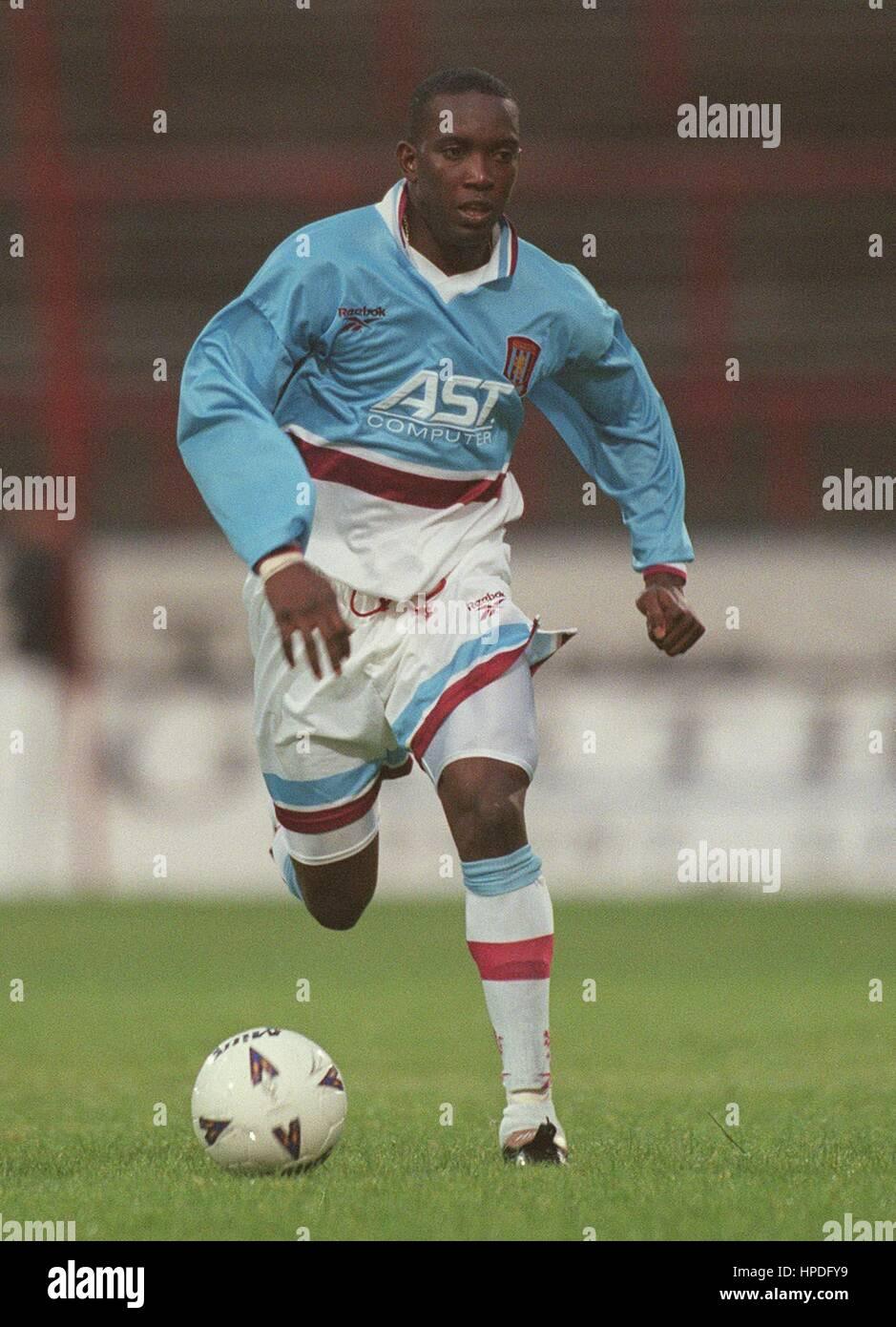
Dwight Yorke emerged as a prolific striker in the 1990s and 2000s, forging memorable partnerships and winning major silverware at club level. He played for clubs including Aston Villa, Manchester United, Blackburn Rovers, Birmingham City and Sydney FC, and is most widely remembered for his contributions to Manchester United’s historic treble in 1998–99. His movement, finishing and ability to link play made him a standout forward of his generation and a reference point for aspiring strikers from the Caribbean and beyond.
International impact
As a key figure for Trinidad and Tobago, Yorke helped raise the profile of Caribbean football internationally. His success in Europe inspired a generation of players from the region, highlighting pathways from local leagues to top-tier clubs. Even after retiring from playing, Yorke’s name continues to resonate when discussions turn to national representation and the development of talent in smaller footballing nations.
Post-playing activities
Since retiring, Dwight Yorke has remained connected to the game through media work, ambassadorial roles and involvement in youth and community projects. His experience at the highest level gives him a platform to comment on tactical and cultural aspects of football, while his profile helps attract attention and resources to initiatives aimed at nurturing young talent.
Conclusion: Significance and outlook
Dwight Yorke’s career is a reminder of how individual success can have wider cultural and sporting effects. For readers, his story underlines the value of role models in football and the ongoing importance of support structures for emerging players in the Caribbean and elsewhere. Looking ahead, Yorke’s continued visibility in media and grassroots initiatives means his influence is likely to endure, shaping perceptions of Caribbean football and inspiring future professionals.