

Shea Lacey: Profile of Manchester United U21 Winger
Introduction
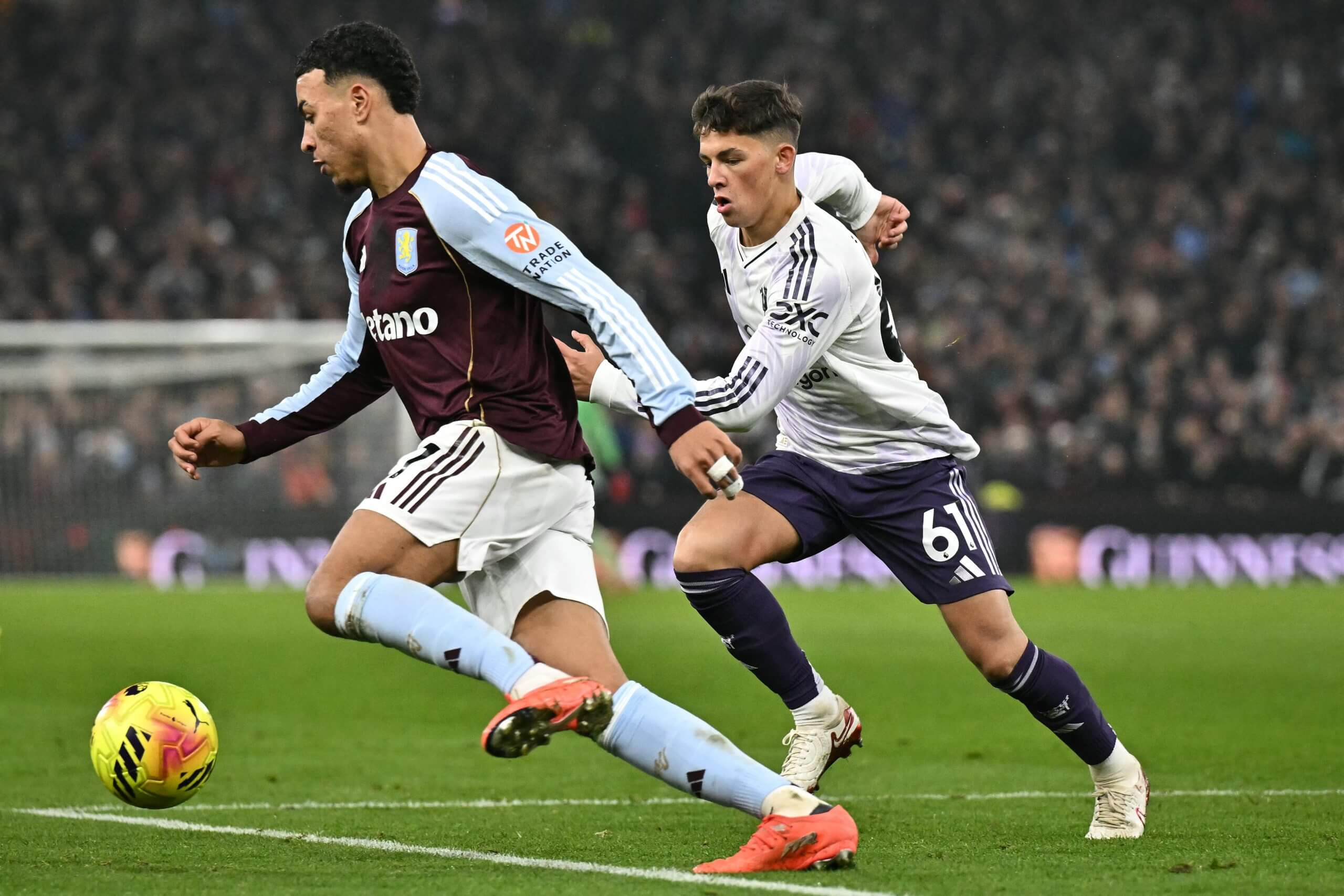
Shea Lacey is an emerging young footballer whose development is of interest to followers of youth football and Manchester United supporters. At 18, Lacey is described as a professional winger or attacking midfielder and is part of Manchester United’s U21 setup. Tracking prospects such as Lacey is important for assessing the club’s future attacking options and understanding the progression route from academy football to the senior side.
Main body
Background and profile
Born on 14 April 2007 in Liverpool, England, Shea Lacey is listed on multiple profiles as an 18‑year‑old attacking player. He is primarily deployed on the right wing and in attacking midfield positions and is left‑footed. Lacey’s height is recorded at 1.67 m (5’6″), and he holds citizenship of both England and Ireland according to available player data. He is represented by Triple S Sports.
Club affiliation and competitions
Sources indicate that Lacey joined Manchester United’s U21 side on 1 July 2025 and is registered with the club’s reserve/youth teams. He is listed with squad number 61 for Manchester United U21. The player is profiled in competitions such as Premier League 2 and is named in relation to the 2025–26 EFL Trophy, competitions that serve as regular testing grounds for young professionals stepping up from academy football.
Family and personal connections
Available information notes that Shea Lacey has footballing family ties: he is the brother of Paddy Lacey, who is currently without a club, and Luis Lacey, who is associated with Macclesfield FC. These familial links are part of his background but publicly available data focuses on Shea’s own development at Manchester United.
Conclusion
Shea Lacey represents one of Manchester United’s young attacking prospects, with profiles highlighting his technical position, physical profile and dual nationality. For readers and followers of youth football, Lacey’s inclusion in Premier League 2 and the EFL Trophy in 2025–26 will be the primary indicators to watch: performances in those competitions often influence opportunities at senior level. While contractual details beyond his move to the U21s are not specified, monitoring match involvement and official club communications will provide clearer signals of his trajectory within professional football.