

The Impact of Ole Gunnar Solskjær on Modern Football
Introduction
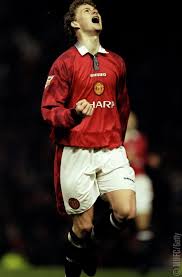
Ole Gunnar Solskjær, a name synonymous with Manchester United, has become a pivotal figure in contemporary football. Initially celebrated for his playing career at United, where he etched his name into history as a striker, Solskjær’s transition into management has kept him in the limelight. Understanding his strategies and contributions highlights not just his influence at the club but also his impact on the global football landscape.
Career Highlights
Solskjær joined Manchester United in 1996 from Norwegian club Sampdoria and quickly became a fan favourite. His precise finishing and knack for scoring crucial goals solidified his status, especially during the 1999 UEFA Champions League final, where he scored the winning goal against Bayern Munich. After his retirement in 2007, he took on various coaching roles, including a successful stint as the manager of Manchester United’s reserve team.
Managerial Journey
In December 2018, Solskjær was appointed as caretaker manager of Manchester United after the dismissal of José Mourinho. His arrival sparked an immediate turnaround in the team’s fortunes, illustrating his deep understanding of the club’s culture and values. Notably, Solskjær’s emphasis on youth development revitalised the squad, providing opportunities to promising talents like Marcus Rashford and Mason Greenwood. His permanent appointment in March 2019 marked a new era, during which he aimed to restore the team’s former glory.
Recent Developments
However, the road has not been smooth. Following a mixed run of results, Solskjær faced increasing pressure from fans and the media alike. Despite leading the team to a second-place finish in the Premier League and a Europa League final in the 2020-2021 season, inconsistencies led to his sacking in November 2021. This decision was met with a spectrum of reactions, showcasing Solskjær’s polarising influence on the club’s fanbase.
Legacy and Future
Even after his departure, Solskjær’s impact continues to resonate. He remains respected for his commitment to maintaining the club’s ethos and for fostering a winning mentality among young players. Looking to the future, many observers predict that Solskjær will return to management, potentially leveraging lessons learned during his time at United. His experience could guide another club towards success, as his footballing philosophy balances youth promotion with strategic nous.
Conclusion
Ole Gunnar Solskjær’s journey reflects the complexities of modern football management. His legacy at Manchester United, marked by both triumph and tribulation, illustrates the challenges faced by managers in the current climate. For fans and aspiring managers alike, Solskjær’s career offers valuable insights into resilience and the importance of club identity. As he continues to evolve beyond his time at United, the football world waits in anticipation for his next move.