
Introduction
The UEFA Europa Conference League, inaugurated in the 2021-2022 season, represents a significant evolution in European football. This tournament provides an opportunity for clubs from across Europe, especially from smaller nations, to compete on an international stage. It aims to enhance the competitive landscape of European football, making it more inclusive and diverse.
The Structure of the Tournament
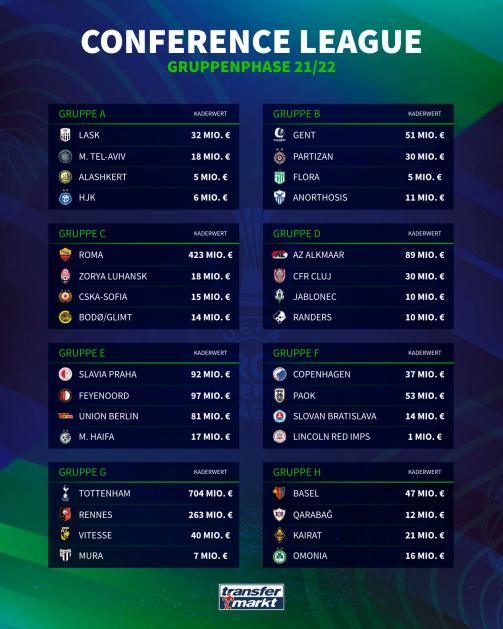
The Conference League is the third tier of European competition, positioned below the prestigious Champions League and the Europa League. The tournament structure involves several rounds, starting with qualifying rounds that see clubs from various UEFA member associations competing for a spot in the group stage. A total of 32 teams enter the group stage, split into eight groups of four, with the group winners advancing to the knockout phase.
Recent Developments
In the most recent season of the Conference League, interest grew significantly with the participation of clubs that had previously not had the chance to play in European competitions. The first-ever champion of the tournament, AS Roma, managed by José Mourinho, captured the title in 2022, illustrating the tournament’s potential to elevate clubs in their respective leagues.
The 2023 season has seen exciting matches and upsets, with mid-tier teams leveraging the opportunity to gain international exposure and experience. Indeed, clubs from countries like Albania, Cyprus, and even lower-tier English clubs have made notable impressions, showcasing the tournament’s role as a springboard for talent.
Significance for Smaller Clubs
The emergence of the UEFA Europa Conference League has been particularly crucial for smaller clubs. Previously, many could only hope to participate in the Europa League or face early exits in qualifying stages. This new tournament allows for greater possibilities and revenue generation, which can be pivotal for the financial viability of these clubs. With increased visibility, clubs can develop their brand and attract sponsorships.
Conclusion
As the UEFA Europa Conference League continues to evolve, its importance in the landscape of European football cannot be understated. It provides a platform for smaller clubs to demonstrate their talent and ambition while ensuring competitive balance among European leagues. Moving forward, the tournament is likely to grow in popularity, contributing to the rich tapestry of European football and expanding the horizons for clubs across the continent.