Introduction
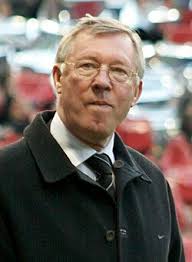
Sir Alex Ferguson, one of the most iconic figures in football history, remains a pivotal influence in the sport both during and after his remarkable managerial career at Manchester United. His tenure, which lasted from 1986 to 2013, saw the club transform into a global powerhouse, garnering a legacy that continues to inspire generations of players and managers alike. Ferguson’s strategic acumen and robust leadership not only brought unprecedented success but also changed the landscape of football management.
The Rise to Prominence
Ferguson’s journey began in Scotland, where he started his management career with East Stirlingshire and then St. Mirren. However, it was his time at Aberdeen that set him apart as a managing force, leading the team to their first league title in 15 years and finishing it off with a victory over Real Madrid in the 1983 UEFA Cup Winners’ Cup final. This achievement brought him to the attention of Manchester United, who appointed him in November 1986.
Success at Manchester United
Under Ferguson, Manchester United experienced a renaissance, with the club winning 38 major trophies, including 13 Premier League titles, five FA Cups, and two UEFA Champions League titles. His most famous moment came in 1999 when he led the team to an unprecedented treble, winning the Premier League, FA Cup, and Champions League in the same season. Ferguson was known for his fierce competitiveness and ability to foster talent, promoting youth players such as Ryan Giggs, Paul Scholes, and Gary Neville, who became cornerstones of the club’s success.
Post-Retirement Influence
Since retiring, Ferguson has continued to play a significant role in football as a mentor and advisor. His insight is frequently sought after, and he has also contributed to the development of football through initiatives such as The Alex Ferguson Foundation, aimed at helping young individuals achieve their goals. Furthermore, Ferguson’s autobiography and various documentaries continue to shed light on his philosophies and experiences, reinforcing his status as a footballing legend.
Conclusion
The legacy of Sir Alex Ferguson is indisputable, marked by innovation in management and an unparalleled win rate. His influence reaches beyond the pitch, impacting not only Manchester United but the wider football community. As the sport evolves, Ferguson’s principles of discipline, hard work, and fostering talent will continue to resonate, shaping the future of football for years to come. For fans and aspiring managers alike, Ferguson’s career offers valuable lessons on leadership and perseverance.