

Wigan Athletic: History, Community Role and Outlook
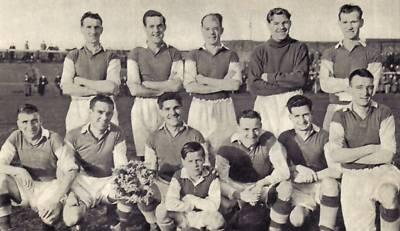
Introduction: Why Wigan Athletic matters
Wigan Athletic is a significant name in English football, known for punching above its weight and for strong local ties. The club’s story speaks to wider themes in the sport — community identity, the volatility of professional football and the potential for memorable cup success. For supporters and observers, developments at Wigan Athletic are relevant both locally in Greater Manchester and to anyone following the lower divisions of the English game.
Overview
Club basics
Wigan Athletic Football Club, commonly known as the Latics, was founded in 1932 and plays its home matches at the DW Stadium. The club’s traditional colours are blue and white. Over the decades Wigan Athletic has moved between divisions, achieving recognition beyond its size through cup runs and player development.
Notable achievements
One of the club’s most celebrated moments came in 2013, when Wigan Athletic won the FA Cup — a landmark achievement in the club’s history. That cup victory remains a defining highlight and a reminder that lower-profile clubs can reach the pinnacle of knockout competition in England.
Main body: Role, recent context and facts
Community and development
Wigan Athletic has a strong local presence, engaging with fans and community programmes across the borough. The club is an important employer locally and plays a role in youth development, offering pathways for local talent to progress through academy structures and into senior football.
Sporting and financial context
Like many clubs outside the top flight, Wigan Athletic operates in a challenging financial and competitive environment. Balancing ambition on the pitch with sustainable finances off it is a recurring theme for clubs in the Football League system. The club’s fortunes on the pitch have fluctuated over time, reflecting the narrow margins at lower-league level and the wider structural pressures in the English game.
Conclusion: Significance and outlook
Wigan Athletic remains a club with proud local roots and a capacity for notable achievements. For supporters, the immediate priorities are competitive stability and rebuilding where necessary, while continuing to nurture local talent. For neutral observers, Wigan offers a lens on the resilience of community clubs within modern football. Looking ahead, the club’s trajectory will depend on sporting results, prudent management and the continued engagement of its fanbase.