

The Last of Us: From Game to Screen and What Comes Next
Introduction: Why The Last of Us matters
The Last of Us has become a defining cultural property of the 2010s and 2020s, bridging interactive entertainment and prestige television. Its importance lies in the way a story born in videogames has reached a broad mainstream audience through an HBO adaptation, prompting wider conversations about narrative, representation and the ethics of survival in a post‑apocalyptic world.
Main body: Origins, adaptation and current developments
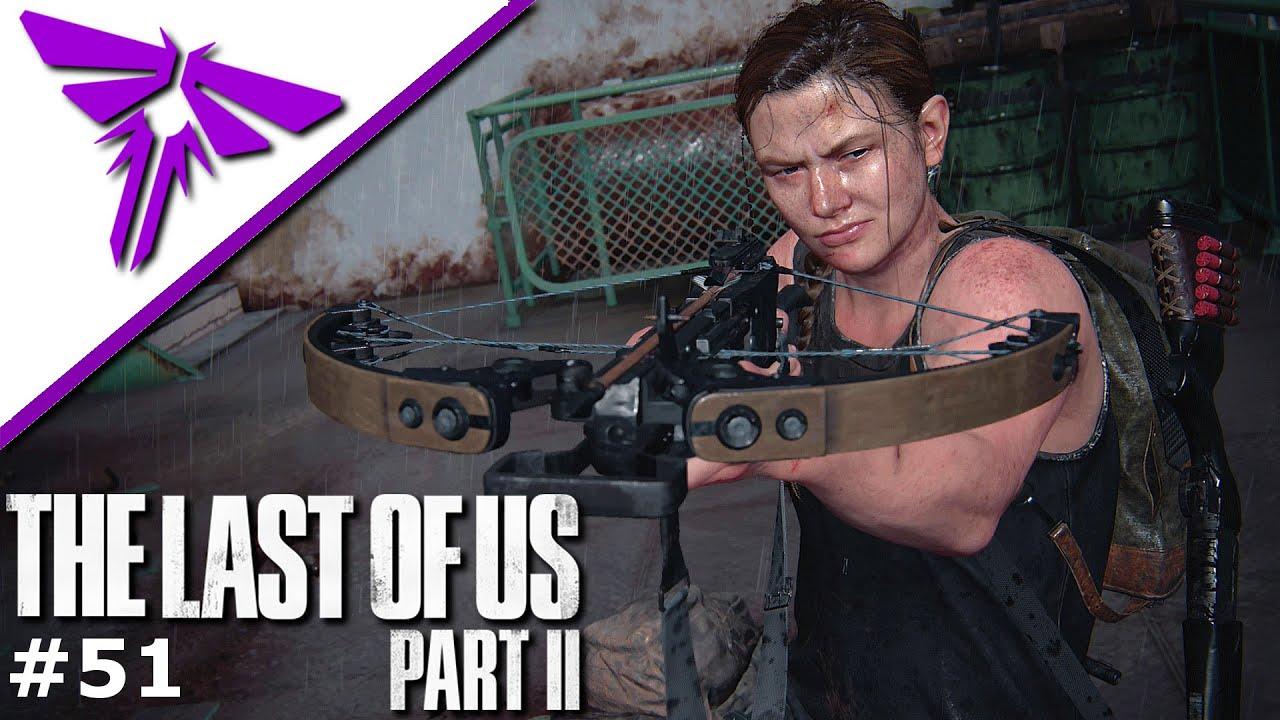
The Last of Us began as a 2013 videogame developed by Naughty Dog. Praised for its storytelling, character development and atmospheric design, the original title and its 2020 sequel established the franchise as one of the most influential in modern gaming.
HBO adapted the property into a live‑action television series led by creators Neil Druckmann, who co‑created the game, and writer‑producer Craig Mazin. The series stars Pedro Pascal and Bella Ramsey in central roles and condenses the game’s narrative while expanding character moments for television. Critics and viewers responded strongly: the show received widespread acclaim and attracted large audiences for its debut season, sparking renewed interest in the games and related media.
Following the success of the first season, HBO confirmed a second season aimed at adapting the events of The Last of Us Part II from the games. That announcement underscored the ambition to continue translating the franchise’s complex moral themes — including loss, loyalty and the human cost of survival against a fungal pandemic inspired by the Cordyceps infection central to the original story — for television audiences.
Conclusion: What to expect and why it matters to readers
For fans and newcomers alike, The Last of Us represents a notable instance of cross‑medium storytelling where a video game’s narrative richness fuels high‑profile television. The forthcoming season promises to tackle darker, more contested material from the sequel, and its success could further influence how studios approach game adaptations. Readers interested in storytelling, media convergence or genre drama should watch for casting, production updates and release details from HBO, as the project will likely shape debates about adaptation fidelity and the future relationship between gaming and mainstream television.